

How to Prepare for Wedding Photos Well
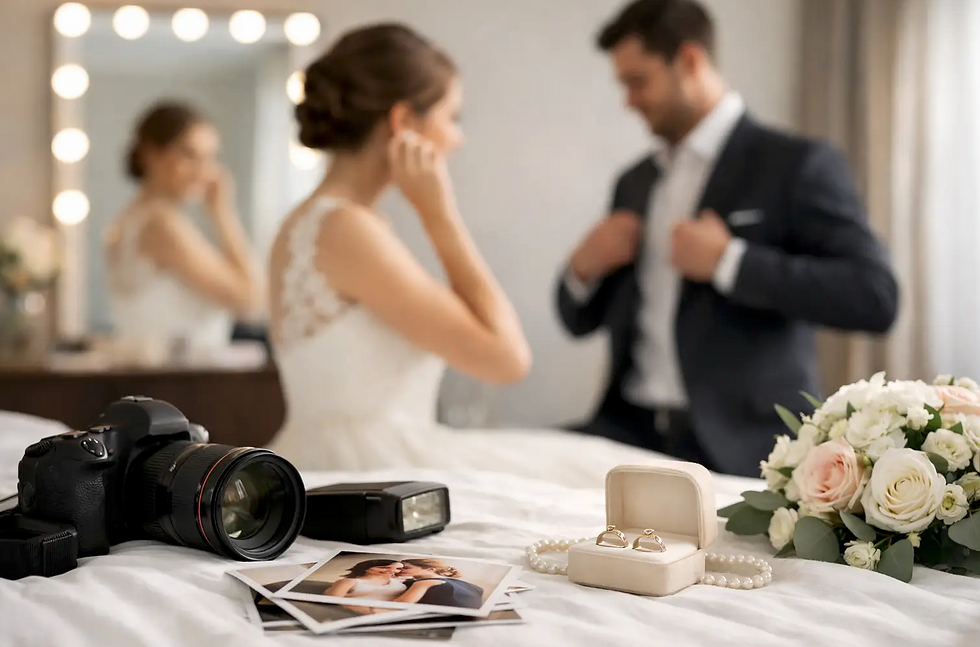
The best wedding photos rarely come from perfect poses alone. They come from a day that feels calm, organized, and real. If you are wondering how to prepare for wedding photos, the goal is not to rehearse every smile. It is to create enough space, light, and trust that genuine moments can happen naturally.
Couples often focus on what happens when the camera is up, but the stronger images are usually shaped much earlier. A rushed morning, a cluttered getting-ready room, or a timeline with no breathing room can affect your photos more than any pose ever will. Good preparation gives your photographer the conditions to capture you at your best without making the day feel staged.
How to prepare for wedding photos starts with your timeline
Your photography timeline affects nearly everything, from how relaxed you feel to how much variety your gallery has. The most common issue on a wedding day is not that couples are awkward in front of the camera. It is that the schedule becomes too tight, and every photo starts to feel rushed.
Begin by building in more time than you think you need. Hair and makeup often run late. Transportation can shift. Family members may take longer to gather than expected. A timeline with margin keeps small delays from turning into major stress.
If possible, schedule getting-ready photos before the room fills with too much activity. Those quieter moments often photograph beautifully because there is less clutter and less movement in the background. First looks, couple portraits, wedding party photos, and family formals should also have realistic time blocks, not optimistic ones.
Golden hour is worth discussing with your photographer as well. That softer light close to sunset can make a noticeable difference, especially at waterfront venues, estates, and outdoor ceremony spaces. It does not mean every wedding needs sunset portraits, but if that style matters to you, your timeline should protect time for it.
Choose spaces that photograph cleanly and comfortably
You do not need a luxury suite to have beautiful wedding photos. You do need spaces with decent light, enough room to move, and backgrounds that are not visually distracting. A bright room with large windows almost always works better than a dark room with overhead lighting.
When you are deciding where to get ready, think like a camera for a moment. Ask yourself what will appear in the background. Bags, food containers, extra hangers, and clothing on every chair can pull attention away from the moments you actually want to remember.
This does not mean your space needs to feel sterile. It should still feel like your day. But setting aside one clean area for robes, final touch-ups, letter reading, or gift exchanges makes a real difference. The same idea applies to hotel rooms, bridal suites, and family homes.
If your ceremony or portrait locations have difficult lighting, that is not necessarily a problem. Experienced photo and video teams work in churches, ballrooms, waterfront venues, and outdoor spaces all the time. But it helps to talk through any restrictions in advance, especially if there are rules about flash, movement during the ceremony, or limited portrait access.
Details matter more when they are ready early
One of the easiest ways to improve the beginning of your wedding coverage is to have your details gathered before your photographer arrives. That usually includes your dress, shoes, rings, invitation suite, jewelry, perfume, vow books, cuff links, tie, watch, and any meaningful heirlooms.
This part of the day is often overlooked, but it sets the visual tone of your story. Thoughtful detail images help connect the entire gallery and film. They add context, style, and personality before the ceremony even begins.
Keep these items together in one box or bag so no one has to search for them at the last minute. If there are pieces with sentimental value, let your photographer know. A handkerchief from a grandparent or a note exchanged before the ceremony may seem small in the moment, but those are often the details couples care most about later.
Wear and pack with photos in mind
Preparing for wedding photos is partly about how things look on camera and partly about how you feel wearing them. If you are uncomfortable, overheated, or distracted by a dress issue, it will show.
Make sure your attire is fully steamed and ready the day before. Try on everything together in advance, including shoes, undergarments, veil, cuff links, and accessories. Wedding mornings are not the best time to discover a missing button, a dress that needs tape, or shoes that need breaking in.
For getting-ready photos, choose clothing that is easy to remove without affecting hair and makeup. This is a practical detail, but it helps avoid unnecessary stress right before you get dressed.
It is also smart to keep a small emergency kit nearby with safety pins, fashion tape, tissues, blotting paper, stain remover, and pain reliever. None of that is glamorous, but it helps the day stay smooth, which helps the photos.
Think about your photo priorities before the wedding day
One of the clearest answers to how to prepare for wedding photos is to decide what matters most to you before the day begins. Every couple values different moments. Some care most about candid coverage with very little posing. Others want a strong set of family portraits and elegant couple images at their venue.
Neither approach is better. What matters is that your photographer understands your priorities.
Talk through the moments you do not want missed. Maybe it is a private first look with a parent, the reaction during vows, a specific cultural tradition, or the energy on the dance floor later in the evening. If there are sensitive family dynamics, share that in advance too. It allows your team to guide portraits thoughtfully and avoid awkward situations.
A family photo list is especially helpful if it is short, organized, and realistic. Group people by side of the family and start with the largest combinations first. That keeps formal photos efficient and minimizes confusion. Long, unstructured family lists can eat up portrait time quickly, especially if guests wander off after the ceremony.
Practice being yourselves, not performing
Many couples worry they are not naturally photogenic. In most cases, what they really mean is that they do not want to feel stiff or overly directed. That concern is completely normal.
The strongest wedding photos tend to come when couples stop trying to look like they are in a photo. Instead of thinking about the camera every second, focus on each other. Walk slowly. Talk. Hold hands. Take a breath before the ceremony. During portraits, movement usually photographs better than tension.
Engagement sessions can help if you are especially camera-aware. They give you a chance to get comfortable with direction and see how your photographer works. By the wedding day, that familiarity often makes everything feel easier.
There is also value in accepting that not every meaningful image will be perfectly polished. A teary expression, wind moving through your hair, or laughter in the middle of a portrait can become the image you love most because it feels true to the day.
Let your vendors work together
Wedding photos improve when your vendor team is aligned. Your planner, photographer, videographer, DJ, florist, and venue coordinator all affect how the day unfolds visually, even if indirectly.
Good communication between vendors helps protect key moments. It ensures enough light for speeches, enough time for portraits, and enough structure for transitions like first dances or cake cutting. For couples booking both photography and film coverage, a team experienced in working together can make the day feel more fluid and less intrusive.
At Blue Moon Video Productions, that coordination is part of what helps a wedding story feel complete on screen and in still images. When the team understands the rhythm of the day, it becomes easier to capture both the polished highlights and the unscripted emotions in between.
Leave room for the moments you cannot plan
Preparation matters, but over-controlling the day can work against the result you want. Some of the most memorable wedding photos happen in the spaces between the scheduled events - a parent straightening a jacket, a quiet look before the ceremony, guests laughing during cocktail hour, or a few seconds alone after the vows.
That is why the best preparation is not about scripting every frame. It is about giving your day enough structure that you can actually be present inside it.
When your timeline has room, your spaces are thoughtfully chosen, and your priorities are clear, your photographer can focus on what matters most - the emotion, the atmosphere, and the story unfolding naturally in front of the camera.
A wedding photo lasts because it brings you back to how the day felt, not just how it looked. Prepare for that feeling, and the images will follow.
Prepare for Beautiful Wedding Photos and Films
The best wedding memories begin with thoughtful planning. A realistic timeline, experienced photographers and videographers, and a relaxed approach help create images and films you'll treasure for a lifetime.
If you're planning a wedding in New Jersey and want timeless photography and cinematic wedding films, contact Blue Moon Video Productions today.


Comments