top of page
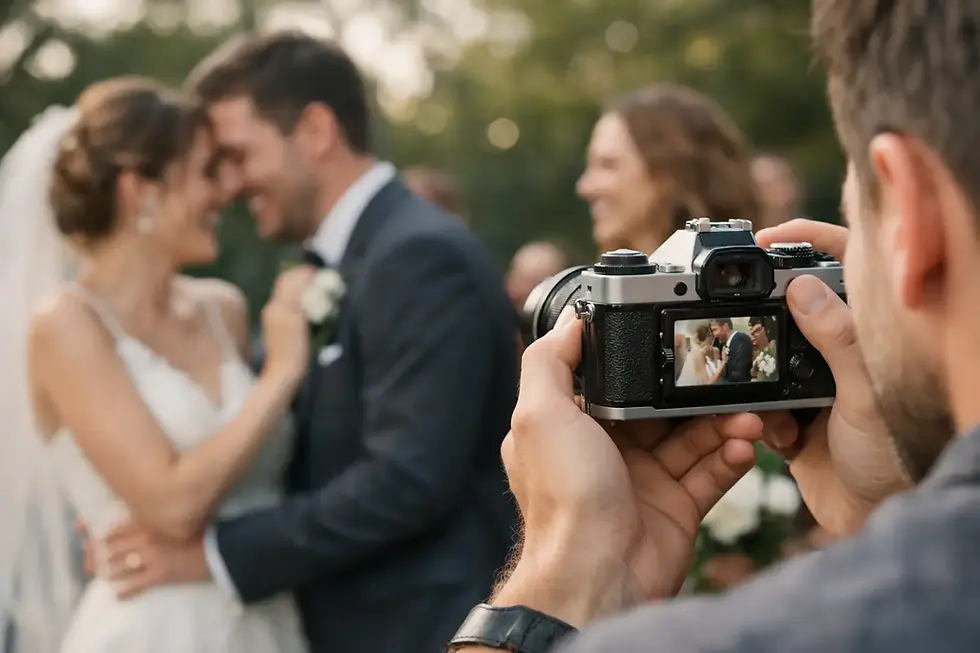
videographer capturing a candid moment between newlyweds on their wedding day

The moments couples return to most are rarely the ones announced on the timeline. It is the parent pausing at the doorway during getting-ready, the deep breath before walking down the aisle, or the laughter that breaks out during a best man’s toast. Learning how to capture candid wedding moments starts with creating space for real life to happen, while having the experience to recognize it before it passes.

A cinematic wedding film should feel like the day itself: joyful, emotional, a little unpredictable, and deeply personal. That requires more than placing a camera in the room. It requires thoughtful planning, discreet coverage, and a team that knows when to step forward and when to let the moment unfold.

Candid Does Not Mean Unplanned

The best candid footage is often supported by excellent preparation. Couples do not need to script their emotions or perform for the camera, but a clear timeline gives the photo and video team the opportunity to be in the right place when meaningful interactions happen.

During a full wedding day, emotional moments tend to gather around transitions: getting dressed, opening a letter, seeing family members for the first time, waiting before the ceremony, and entering the reception. Sharing the schedule, room locations, and any planned surprises with your videographer helps them prepare the right equipment and position without interrupting the experience.

This is especially valuable at large estate venues, country clubs, and waterfront properties in New Jersey, where the bridal suite, ceremony site, cocktail hour, and reception can be far apart. A team that understands the flow of the day can anticipate movement rather than chasing it.

How to Capture Candid Wedding Moments Without Staging Them

The most natural wedding coverage begins with trust. When couples feel comfortable with their photographer and videographer, they stop noticing the cameras. That comfort allows genuine reactions to take center stage.

Choose a team with an unobtrusive approach

Ask potential videographers how they work during intimate parts of the day. An experienced team should be able to capture preparations, private exchanges, and family interactions without turning every moment into a production.

There is a balance to strike. Your vendors may offer light direction when needed, such as placing you near flattering window light or allowing a little extra time for portraits. But during emotional exchanges, a calm professional will usually observe first. A father seeing his daughter in her wedding dress does not need repeated prompts to be meaningful. It needs room to happen once, honestly.

For video, clean audio matters as much as the image. A candid reaction gains even more meaning when it is paired with the actual words spoken in the room, a laugh from the next chair, or the quiet catch in someone’s voice. Discreet microphones during vows and speeches help preserve those details without making the day feel technical.

Build breathing room into your timeline

A rushed schedule is one of the biggest obstacles to authentic coverage. If hair and makeup run late, family portraits are squeezed, and cocktail hour begins immediately after the ceremony, everyone is focused on the next obligation rather than the moment in front of them.

Allow a buffer before the ceremony and between major events. Even 10 or 15 minutes can make a difference. It gives you time to finish getting ready without stress, greet a loved one naturally, or simply sit together after the ceremony before being pulled into portraits.

This does not mean extending the day for the sake of video. It means planning a timeline that reflects what you value. If emotional interactions with parents and grandparents matter to you, protect time for them. If you want a private last dance captured at the end of the evening, let your planner, DJ, and video team know in advance.

Let the people closest to you be themselves

Candid moments are relationship-driven. Your wedding party may be energetic and playful. Your parents may show affection more quietly. Some grandparents may prefer a simple conversation to a formal portrait. All of those expressions belong in the story.

Avoid asking everyone to constantly look toward the camera or repeat reactions for a better shot. Instead, let them participate in the day. When your wedding party helps with the veil, when siblings trade a joke, or when a close friend squeezes your hand before the ceremony, those actions reveal the people who shaped your life together.

If there are important family dynamics or a person you especially hope to see in your film, share that privately with your videographer. A brief note such as, “My grandmother helped raise me,” gives the team useful context. It helps them watch for meaningful exchanges while still respecting the moment.

Prioritize Audio for the Moments You Cannot Recreate

Some candid images are powerful on their own. Others become unforgettable because of what was said. The note read aloud before the ceremony, the emotion in your vows, and a parent’s words during a reception toast can become the emotional structure of a wedding film.

Professional wedding filmmakers typically use multiple audio sources, not just the camera microphone. Wireless microphones can capture vows and officiant remarks, while a recorder connected to the DJ system can preserve speeches and music at the reception. Backup recording is equally important because live events offer no second take.

You can support this process by asking speakers to hold the microphone close, encouraging them to speak clearly, and telling your videographer about any surprise toast or performance. The delivery does not need to be polished. In fact, the slightly shaky voice or unexpected laugh is often what makes it real.

Be Present Instead of Performing

One of the most useful things you can do for candid wedding photos and video is also one of the simplest: stay present. Look at your partner during the ceremony. Listen during the speeches. Hug people fully. Step onto the dance floor.

Couples sometimes worry that they should appear composed in every shot. But weddings are not commercial sets. A tear during a toast, a gust of wind at an outdoor ceremony, or a burst of laughter during portraits can become the footage that feels most alive years later.

There is no need to ignore your photo or video team completely. During formal portraits, follow their direction so the process stays efficient. Once those planned portions are finished, trust them to document the unscripted parts. The less you feel responsible for managing the camera, the more naturally you will experience your own wedding.

Give Your Team the Right Access

Candid storytelling depends on access, timing, and good communication. Make sure your videographer knows where you will be getting ready, whether there are separate entrances for the ceremony, and which cultural or religious traditions are most significant to you. At a church ceremony, for example, filming guidelines may limit where cameras can be placed. At a reception, a dark room or dramatic uplighting may require the team to plan carefully for clean, flattering imagery.

It also helps to designate one trusted person, often a planner, maid of honor, or family member, who can quietly alert the team to an unexpected moment. Perhaps a grandparent is about to give you a keepsake, or a friend has prepared a surprise performance. A quick heads-up can preserve the surprise for you while giving the videographer enough time to be ready.

At Blue Moon Video Productions, full-day coverage is designed around this kind of storytelling. Important moments do not always arrive on schedule, and having experienced coverage from preparations through the reception allows the final film to hold more than the highlights. It can preserve the in-between moments that give those highlights their meaning.

Trust the Quiet Moments, Too

Not every candid moment is loud. A hand held under the table during dinner, a glance across the dance floor, or a few seconds alone after the ceremony may not attract attention in real time. On film, those quieter images create rhythm and emotional depth between the larger events.

When you watch your wedding film years from now, you will likely notice details you missed while living the day: the way a parent looked at you, the reaction of friends during your first dance, or the laughter surrounding a conversation you barely remember. Give your team the time, access, and trust to notice those details. The real story is already happening around you.


Let the Real Moments Become the Story


The best candid wedding footage does not come from constantly performing for the camera. It comes from thoughtful preparation, trust, and a team that knows when to offer direction and when to simply let the moment happen.


With more than 17 years of wedding experience, Blue Moon Video Productions captures the vows, reactions, laughter, family connections, and quiet moments that make each celebration different.


If you're planning a wedding in New Jersey or the surrounding area, contact Blue Moon Video Productions to learn more about wedding videography and photography coverage designed around the real moments of your day.

wedding videographer capturing a couple exchanging vows during their ceremony

The moment your partner begins reading their vows, the room tends to disappear. Years later, that is often the moment couples want to revisit most: the unsteady breath before the first sentence, the laughter after an unexpected line, and the voices of the people who were there. The most common wedding video mistakes rarely happen because couples do not care about those memories. They usually happen because a full wedding day moves quickly, and the details that protect a film are easy to overlook.

A thoughtful videography plan does not make the day feel staged. It gives your wedding filmmaker the time, access, and clean audio needed to preserve the real story as it unfolds. Here are the decisions that most often affect the finished film - and how to make them with confidence.

The Most Common Wedding Video Mistakes Couples Make

Waiting too long to book the videographer

Experienced wedding filmmakers tend to book popular dates well in advance, especially spring and fall Saturdays at New Jersey estates, country clubs, and waterfront venues. Waiting can leave couples choosing between vendors who are unavailable, packages that do not fit their needs, or a compromise on the style of film they pictured.

Booking early is about more than securing a date. It gives you time to discuss your priorities, review coverage options, and build videography into the day’s timeline. If video is meaningful to you, begin the conversation when you are booking other major vendors, rather than treating it as a final planning detail.

Treating video as an optional version of photography

When photography and videography are planned together, both teams can protect important angles, portrait time, and candid moments without making the wedding day feel crowded.


Photography and videography work beautifully together, but they preserve different things. A photograph can hold the expression on a parent’s face during the first dance. A wedding film carries the song, the movement, the words spoken during the toast, and the way that expression changed as the dance began.

Couples sometimes decide they only need a short social-media-style recap. A highlight film can be a wonderful way to relive the energy of the day, but it is not always a substitute for documentary coverage. Consider whether you also want your full ceremony, toasts, dances, or a long-form wedding movie. The trade-off is straightforward: shorter coverage may cost less, while fuller coverage preserves more of the moments you will not be able to recreate.

Choosing only by price or a single highlight reel

A polished 60-second clip can be compelling, but it does not show how a filmmaker handles a dim reception room, a ceremony with difficult acoustics, a crowded dance floor, or a full set of speeches. It also cannot tell you whether the company is reliable, experienced with your venue type, or prepared to cover a long wedding day.

When comparing videographers, watch complete sample films if they are available. Listen closely to vows and speeches. Look for natural pacing, consistent color, steady imagery, and an edit that feels true to the couple rather than built around a temporary trend. Ask what is included in coverage, who will be filming, how audio is recorded, and what final films you will receive. Clear answers are a good sign that the experience will be as professional as the finished product.

Wedding Video Audio Mistakes to Avoid

Assuming venue audio will be enough

Beautiful images cannot replace the sound of your vows. Yet audio is one of the most overlooked parts of wedding planning. A venue’s sound system may work well for guests while still being difficult to record cleanly, particularly in a large ballroom, church, outdoor setting, or windy waterfront location.

Professional wedding video coverage should include a plan for capturing voices directly, often through discreet microphones and backup recorders. Your officiant, DJ, band, and venue coordinator should know that the video team will need appropriate access to the ceremony audio and microphone feed. This is not something to leave for the last five minutes before guests arrive.

The same applies to speeches. Ask the person giving a toast to use the microphone, even if they have a strong voice. It may feel unnecessary in a smaller room, but it makes a meaningful difference when you are listening back years later.

Letting the ceremony become too dark or backlit

Candlelight is romantic in person. In film, it can be beautiful when it is planned carefully. But an extremely dark ceremony, or a couple standing directly in front of a bright window or sunset, can make it difficult to see faces and expressions naturally.

You do not need to redesign your ceremony for the camera. A brief conversation with your videographer and venue team can help identify simple adjustments, such as where to stand during the vows, whether house lights can remain slightly raised, or how to position a first look near the best available light. These choices protect the visual quality of the film without changing the atmosphere you envisioned.

Give the Day Room to Breathe

Building a timeline with no buffer

A rushed timeline is one of the most common causes of unnecessary stress and missed footage. Traffic, a delayed hair appointment, a long receiving line, or a busy family-photo list can quickly consume the few minutes between major events. When every part of the day is scheduled back-to-back, there is little time to capture the quiet transitions that give a wedding film emotional depth.

Build in modest breathing room, particularly during preparation, before the ceremony, and between the ceremony and reception. Even 10 to 15 extra minutes can allow for a calm reveal with your wedding party, natural couple portraits, or a moment alone before entering the reception. Those unscripted pauses often become some of the most personal scenes in a cinematic film.

Skipping preparation coverage without considering what it holds

Not every couple wants video coverage from the earliest part of the morning, and that is completely valid. Still, preparation is where many meaningful details and relationships are visible: a parent fastening a dress, friends sharing a toast, a handwritten note being opened, or a groom taking a quiet moment before leaving for the ceremony.

If you are deciding where to shorten coverage, think beyond décor and logistics. Consider which parts of the day contain people, voices, and interactions you may want to remember. Full-day coverage is often valuable because it captures the arc of the celebration, from anticipation to the final dance, rather than only the formal milestones.

Keeping meaningful moments a secret from your video team

A surprise gift, a special cultural tradition, a memorial tribute, a choreographed dance, or a guest flying in unexpectedly can all become defining moments in a wedding film. Your videographer cannot always anticipate them, especially when they happen outside the planned schedule.

Share anything significant in advance, even if it is meant to be a surprise for your partner or guests. A trusted team can protect the surprise while making sure the cameras and audio are in the right place. Blue Moon Video Productions approaches these details as part of the story, not as interruptions to a shot list.

Plan for a Film That Feels Like Your Wedding

Over-directing every minute

Inspiration boards can be useful for communicating your taste, but a wedding film should not feel like a recreation of someone else’s day. If every interaction is tightly scripted, couples can spend more time performing for the camera than experiencing the celebration.

Tell your filmmaker what matters most to you: perhaps candid family moments, an energetic reception, a faith-centered ceremony, or your guests’ reactions. Then allow room for the team to observe. The most lasting footage is often unplanned - a grandparent’s smile during a toast, a private glance before the aisle, or friends singing every word to the final song.

Forgetting that guest experience affects the footage

A great film documents your wedding without making guests feel like they are attending a production. Share an unplugged-ceremony request if you prefer a clear view of the aisle and fewer phones held in the air. Coordinate with your photographer and videographer so they can work efficiently together. And encourage the wedding party to be present, especially during the ceremony and speeches.

These are small choices, but they create cleaner visuals and a more connected room. The camera then captures people responding to the moment, rather than looking down at their screens.

Questions Worth Asking Before the Wedding Day

Before finalizing your videography plan, ask what coverage hours are included, how ceremonies and speeches are recorded, whether there are backup systems for audio and cameras, and what deliverables you will receive. It is also helpful to ask how the team coordinates with photographers, DJs, venue staff, and planners. A wedding film is shaped by preparation as much as artistry.

Most of all, choose a team whose work makes you feel something and whose process makes you feel at ease. Your wedding day should be lived fully, not managed from behind a lens. With the right preparation and an experienced filmmaker quietly watching for what matters, the film can bring you back to the voices, movement, and emotion of a day that passed far too quickly.


Not discussing delivery expectations before booking


Couples sometimes focus entirely on wedding-day coverage without asking what they will actually receive afterward. Before booking, understand whether your collection includes a highlight film, full ceremony, complete speeches, documentary edit, teaser, or other deliverables. Ask about the expected delivery process as well. Knowing exactly what is included prevents disappointment after the wedding and helps you choose coverage based on the memories you actually want preserved.


Not telling your videographer about family dynamics


A videographer should know if an elderly grandparent is especially important, if a parent needs special attention, or if there are family relationships that require sensitivity.


Plan a Wedding Film You’ll Want to Rewatch


The best wedding films start with more than great cameras. Thoughtful planning, reliable audio, experienced coverage, and enough time for real moments to unfold can make all the difference.


If you’re planning a wedding in New Jersey, New York, or Pennsylvania, contact Blue Moon Video Productions to explore wedding videography and photography coverage built around the moments that matter to you.

bottom of page