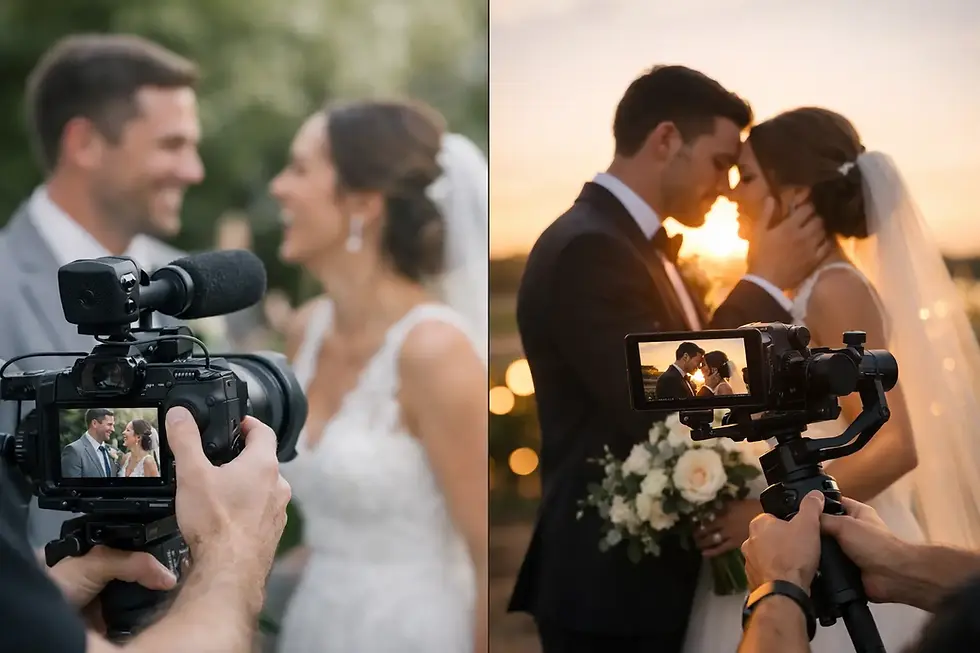
Cinematic wedding videography does more than show what happened. They bring you back into it - the breath before the ceremony, the way your partner looked at you during the vows, the energy in the room when speeches turned unexpectedly emotional. That is why cinematic wedding videography matters to so many couples. It is not about making a wedding day look staged or dramatic for the sake of style. It is about telling the story of the day with care, movement, sound, pacing, and emotion.
For couples planning a wedding, cinematic wedding videography can sound appealing, but also a little vague; not every film feels cinematic in the same way. If you are comparing studios, it helps to understand what the term actually means, what separates it from basic event coverage, and what kind of experience creates a film you will still want to watch years from now.
Cinematic Wedding Videography: What It Really Includes
At its core, cinematic wedding videography is a storytelling approach. Instead of simply recording events in order, the filmmaker captures moments with intention and then shapes them into a film that feels immersive, emotional, and polished.
That usually starts with how the day is filmed. Camera movement is more deliberate. Framing is more thoughtful. Light, composition, and sound are treated as part of the story rather than technical details. A quiet shot of your dress in the window, your father waiting before the first look, or your guests reacting during the ceremony can carry as much weight as the major milestones.
The edit is where that footage becomes a film. Music selection, pacing, audio from vows and toasts, and the rhythm of the story all matter. A cinematic wedding film is not only about beautiful visuals. It also uses the voices, reactions, and atmosphere of the day to create a complete emotional memory.
Understanding cinematic wedding videography helps couples choose a film style that feels both emotional and authentic.
Cinematic wedding videography vs traditional wedding video
Traditional wedding video often focuses on documenting the day in a straightforward way. It may include longer clips of the ceremony, speeches, entrances, and formal dances with minimal shaping beyond clean editing. There is value in that. Many couples want a full record of what happened, especially for moments they may miss in real time.
Cinematic wedding videography takes a different approach. It still documents the important events, but it builds a stronger emotional arc. Instead of presenting the day exactly as it unfolded from start to finish, it highlights the feeling of the experience. The result is often a shorter highlight film paired with longer edits of key parts of the day.
Neither approach is automatically better for every couple. It depends on what you want to relive. If your priority is a simple archival record, a basic documentary style may feel sufficient. If you want your wedding film to feel layered, expressive, and deeply personal, cinematic storytelling usually offers more.
For couples planning weddings in New Jersey, cinematic wedding videography has become one of the most requested styles for preserving the full experience of the day.
What makes a wedding film feel cinematic
The word cinematic gets attached to gear, trends, and editing styles, but the feeling comes from something more consistent: intention.
A cinematic film usually has visual depth. That can come from strong lighting, clean composition, and movement that feels natural rather than distracting. It also has emotional depth. The strongest films are built around real audio, real reactions, and moments that could never be recreated in the same way.
This is why sound matters so much. Clear vows, heartfelt speeches, laughter during bridal prep, and ambient audio from the ceremony all help a film feel alive. Without that, even beautiful footage can feel distant.
Pacing matters too. Some weddings call for an energetic edit with quick transitions and a celebratory feel. Others are better served by a quieter rhythm that gives emotional moments room to breathe. A skilled wedding filmmaker understands that cinematic does not mean identical from one wedding to the next.
Why experience matters more than trends
Wedding days move quickly. Lighting changes. Timelines shift. Weather turns. A church ceremony, a ballroom reception, and a waterfront portrait session all create different filming conditions, often within a single day. Cinematic wedding videography depends on being able to adapt without interrupting the event.
That is where experience makes a real difference. An experienced videographer knows how to anticipate moments before they happen, work around venue limitations, capture clean audio in unpredictable spaces, and stay calm when the schedule changes. Those skills protect the story of the day.
This is especially important for full-day coverage. The emotional thread of a wedding does not begin at the ceremony or end after the first dance. It starts during preparations and continues through the reception, often in quieter moments couples do not even realize are being captured. Studios with years of wedding experience understand how to connect those pieces into one complete film.
The role of authenticity in cinematic storytelling
Some couples hear the word cinematic and worry that it means overly posed footage or a film that looks beautiful but does not feel like them. In practice, the best cinematic wedding films are grounded in authenticity.
That means the camera is attentive, not intrusive. It means direction is used when helpful, especially during portraits, but the goal is still to capture genuine interaction. A small prompt can create natural movement and connection. Too much staging can flatten the emotion.
Authenticity also comes from what gets included. The sound of your vows. A speech that says something unexpected. A parent fixing a tie with shaking hands. A quick glance across the dance floor. These are not filler shots. They are often the moments that give a wedding film its emotional weight.
How to know if a videographer's style fits your wedding
When couples search for cinematic wedding videography, they are often trying to answer a more personal question: will this filmmaker capture our day in a way that feels right to us?
The best way to tell is to watch full examples, not only short highlight reels. A strong teaser can show beautiful shots, but a complete body of work reveals much more. You can see how the filmmaker handles ceremony audio, speeches, transitions, pacing, and coverage across an entire wedding day.
As you watch, pay attention to what stays with you. Do the films feel emotional without becoming overly dramatic? Do couples look comfortable on camera? Can you hear and understand the important spoken moments? Does the filmmaker capture both the big events and the in-between reactions that make a wedding feel personal?
It also helps to ask practical questions. Will there be coverage from preparations through the reception? How are vows and speeches recorded? What films are delivered, and what is the balance between highlight edits and long-form coverage? Cinematic quality is not only about aesthetics. It is also about whether the final collection truly preserves your day.
Why venue and timeline planning affect the final film
Even the most talented filmmaker benefits from a timeline that allows moments to unfold naturally. If the schedule is rushed from start to finish, there is less room to capture the kind of visual and emotional texture that gives a wedding film depth.
This does not mean your day needs to be built around the video team. It means thoughtful planning helps everyone. A little extra time for getting ready footage, a first look, sunset portraits, or room details can have a big effect on the final film.
So can clear communication with your planner, photographer, and videographer.
Venue style matters too. Estate venues, churches, country clubs, and waterfront settings all offer different visual opportunities and different filming challenges. An experienced studio knows how to adapt its approach to each space while keeping the film cohesive. That is one reason many couples look for a team with a long track record across a wide range of venues.
A wedding film should feel like your day, not someone else's
Trends come and go. Audio styles change. Editing preferences shift. What lasts is a film that still feels honest when you watch it years later.
That is why the best cinematic wedding videography is never just about style. It is about preservation with intention. It gives your memories shape, but it does not replace them with something artificial. It captures what the day looked like, what it sounded like, and most importantly, what it felt like.
For couples who want both beauty and substance, that balance matters. A polished film is valuable, but a meaningful one is unforgettable. If you are choosing a wedding videographer, look for the team that understands both sides of that equation and treats your story with the care it deserves.
Years from now, the details you forgot may become the moments you treasure most. A well-made wedding film gives those moments a place to live.
If you're looking for cinematic wedding videography in New Jersey, you can explore real wedding films and coverage from Blue Moon Video Productions.