top of page
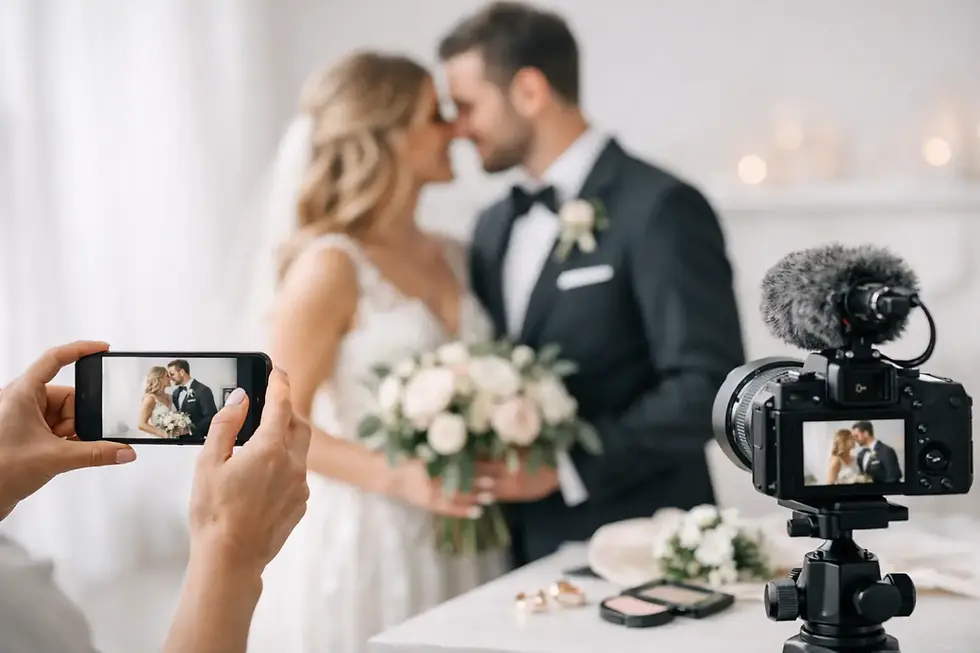
bride and groom sharing an emotional moment in their wedding video

A wedding film becomes most valuable in the moments you could never fully absorb while living them. The best moments to include wedding video are not only the big events everyone expects, but also the quieter reactions, small exchanges, and emotional pauses that give the day its real shape. When those moments are filmed well, your wedding video feels less like a recap and more like an honest return to the day.

For many couples, the challenge is deciding what matters most when building a videography timeline. You want the cinematic highlights, of course, but you also want the parts that will mean more ten or twenty years from now. That usually means thinking beyond the first kiss and first dance and considering how the story unfolds from the start of the day through the final hours of the reception.

The best moments to include wedding video start before the ceremony

Preparation coverage often becomes one of the most emotional parts of the finished film. Hair and makeup, getting dressed, gift exchanges, and time with parents or the wedding party create context for everything that follows. These scenes show anticipation in a way photographs and memory alone often cannot.

This is also when many of the most natural reactions happen. A mother seeing her daughter in her dress for the first time, a groom taking a breath before putting on his jacket, bridesmaids laughing in the background while final details come together - these moments bring warmth and personality into the film. They also help the story feel complete instead of starting abruptly at the ceremony.

If your morning schedule is rushed, it may not make sense to film every minute of getting ready. In that case, focus on the parts with emotional value: the final stages of getting dressed, reading letters, opening gifts, or any planned private exchange. A little intention here goes a long way.

First looks, private vows, and genuine reactions

If you are planning a first look, it is one of the strongest moments to capture on video. The movement, expressions, and voice all matter. Video preserves the nervous energy leading up to it, the way one of you turns around, the immediate reaction, and whatever is said in that first private moment together.

Even couples who prefer not to see each other before the ceremony often choose another private exchange that works beautifully on film. It might be reading letters back to back, holding hands around a doorway, or sharing private vows before guests arrive. These moments tend to be calm, intimate, and highly personal, which gives your final wedding film emotional depth.

There is a trade-off, of course. Some couples want the first time they see each other to happen at the ceremony aisle, and that can be incredibly powerful on video too. The right choice depends on your timeline, your personalities, and whether privacy or tradition matters more to you.

Ceremony moments you will always want to hear again

The ceremony is the heart of the wedding film. More than any other part of the day, this is where professional audio matters. You do not just want to see the vows. You want to hear the voices, the pauses, the laughter, and the emotion in the room.

The most important ceremony moments usually include the processional, the reaction as one partner sees the other coming down the aisle, the officiant's words, personal vows, the ring exchange, and the first kiss. But the full emotional story often includes more than those headline moments. A quick look exchanged during a reading, a parent wiping away tears, or the sound of guests laughing during a personal anecdote can become some of the most memorable parts of the finished film.

If your ceremony is in a church, on a waterfront, or at a large estate venue, coverage style may shift slightly based on lighting, movement, and audio logistics. An experienced wedding videographer plans for those differences so the final film still feels polished and natural.

Cocktail hour and portrait time add texture to the story

Couples sometimes underestimate how useful this portion of the day is on film. Cocktail hour footage helps establish atmosphere. Guests mingling, signature drinks, musicians performing, and venue details all show what the day actually felt like. This matters, especially if you put significant thought into your location and overall guest experience.

Portrait time is equally important, not just for beautiful visuals, but for breathing room in the film. This is where movement, scenery, and quieter interaction often create the cinematic sequences couples love most. Walking together, talking between shots, and simply having a few minutes away from the crowd can produce footage that feels effortless and timeless.

These clips are especially meaningful at New Jersey estate venues, waterfront properties, and country clubs where the setting becomes part of the visual story. The key is not to overstage every second. The strongest footage usually comes from a balance of light direction and real interaction.

Best moments to include wedding video at the reception

Reception coverage should capture both structure and spontaneity. The grand entrance, first dance, parent dances, cake cutting, and open dance floor are the expected highlights, and they absolutely belong in the film. But reception footage becomes much more meaningful when it includes the unscripted moments in between.

Toasts and speeches deserve special attention. Years later, hearing the actual voices of parents, siblings, and best friends often becomes one of the most treasured parts of a wedding film. A great speech carries history, humor, and emotion in a way that no posed image can. If there is one reception element that consistently gains value over time, it is this.

Beyond the formalities, watch for guest reactions, hugs, table visits, children on the dance floor, and the energy shift once everyone relaxes into the celebration. These are the scenes that make the reception feel alive on screen. They also help long-form wedding films feel immersive rather than just clipped to major events.

If your reception timeline is packed, prioritize moments with sound and emotional interaction. A packed dance floor looks great, but the audio from a father's toast or a quiet exchange between newlyweds may hold more meaning in the long run.

Don’t forget the moments between the moments

Some of the strongest wedding footage is not part of the formal schedule at all. It is the deep breath before the ceremony starts. The quick hand squeeze after the recessional. The look on your face when guests are cheering during your entrance. The way grandparents watch from their table. These pieces often become the emotional glue of the film.

This is where experience matters. A videographer who understands weddings knows how to anticipate reactions before they happen and stay present without interrupting them. That instinct is what allows a finished film to feel genuine instead of overly produced.

At Blue Moon Video Productions, this is often where the story comes together - not just in the big scenes, but in the real ones couples did not even realize were being captured at the time. Those small details are often what bring people back to the film again and again.

How to decide what matters most in your wedding film

The best coverage plan depends on your priorities. If your vows are deeply personal, audio and ceremony coverage should be front and center. If family connection is a major part of the day, then preparation, reactions, and speeches may matter even more. If you are planning an elegant celebration at a scenic venue, portrait and environmental footage may play a larger role in the final edit.

A good starting point is to ask yourselves a few practical questions. What part of the day are you most likely to miss in real time? Which people do you most want to hear and see years from now? Are there traditions, letters, dances, or private exchanges that carry special meaning for you?

Once those answers are clear, your videography plan becomes easier to shape. You are no longer trying to capture everything equally. You are deciding what will make the film feel true to your wedding.

The most memorable wedding videos are not built only around events. They are built around feeling. When your film includes the right combination of vows, reactions, speeches, movement, and atmosphere, it preserves more than a timeline. It preserves the way the day sounded, the way it moved, and the parts you will be grateful to see again when the celebration is no longer a blur.


Which Wedding Moments Matter Most to You?


Your wedding film should preserve more than a list of scheduled events. It should bring back the voices, reactions, family connections, and unscripted moments that made the day yours.


If you're planning a wedding in New Jersey or the surrounding area, contact Blue Moon Video Productions to explore wedding video and photography coverage built around the moments you want to remember.

couple taking cinematic wedding photos at an elegant New Jersey wedding venue

A grand ballroom can look beautiful in person and still be difficult to film if the only light comes from chandeliers directly overhead. A modest garden venue can produce extraordinary images when its ceremony site has open shade, a clear view of the sky, and room for a couple to move naturally. The best wedding venues for cinematic photos are not defined by one architectural style. They are venues that give real moments room to unfold and give your photo and video team the conditions to capture them well.

After more than 17 years of wedding coverage, we have seen that a cinematic result comes from more than a dramatic backdrop. It comes from light, thoughtful timing, practical access, and a venue layout that protects the experience of the day. Whether you are considering an estate, country club, church, waterfront property, or city venue in New Jersey, these are the details worth looking for before you book.

What Makes the Best Wedding Venues for Cinematic Photos?

A cinematic wedding film should feel like your day, not a styled production where every moment is interrupted for the camera. The right venue supports both. It creates visual depth and atmosphere while making it easy to document the vows, speeches, reactions, and quiet in-between moments that become more meaningful over time.

Natural light that works throughout the day

Windows are one of the most valuable features in a wedding venue. They bring soft, dimensional light into a getting-ready suite, ceremony space, cocktail hour, and reception room. Large windows also help preserve the natural color and texture of a scene, from the details of a wedding dress to the expressions on the faces of parents and friends.

That does not mean every part of the day must happen in direct sunlight. In fact, bright midday sun can create harsh shadows and cause guests to squint. Covered porches, tree-lined paths, open doorways, and the shaded side of a building often provide more flattering conditions for portraits. A strong venue offers choices when the weather or light changes.

Indoor spaces matter just as much. Dark wood, richly colored walls, and low ceilings can feel intimate and elegant, but they may require a more deliberate lighting approach. An experienced video team can work in those environments, yet a venue with some daylight access or well-designed ambient lighting gives your final film greater visual range.

A ceremony setting with depth and clear sightlines

Your ceremony is the emotional center of the wedding film. It is where the vows are spoken, hands are held tightly, and family members often have their most honest reactions. A beautiful ceremony site should also allow your team to see and hear those moments without becoming a distraction.

Look for a setting with a clean background behind the couple, enough aisle width for a discreet camera position, and a clear view of both partners. A waterfront, garden, or estate lawn can offer wonderful depth in the frame. Churches and indoor chapels can be equally cinematic when there is a clear central aisle, balanced lighting, and reasonable access to the front or side of the room.

Ask how the venue handles vendor placement during the ceremony. Some restrictions are appropriate and protect the atmosphere, but it helps to know whether cameras can be positioned near the aisle, at the rear of the space, or on a balcony. The goal is never to crowd the ceremony. It is to capture the exchange of vows and reactions from multiple respectful angles.

Space that lets people move naturally

The most memorable footage is rarely limited to formal portraits. It is the embrace after the first look, a parent adjusting a veil, guests cheering during an entrance, and friends filling the dance floor. Venues with a thoughtful flow make those moments easier to capture.

A practical layout keeps key events within a reasonable distance of one another. If the getting-ready rooms, ceremony site, portrait locations, cocktail hour, and reception are all on one property, the day usually feels calmer and more connected on film. Less travel time means more time for genuine interaction and less pressure to rush through portraits.

Look closely at the reception room as well. A spacious dance floor, room around guest tables, and a dedicated area for speeches give photographers and videographers the ability to work unobtrusively. Tightly packed rooms can still be festive and beautiful, but they leave fewer options for capturing the energy of the celebration from a variety of perspectives.

Venue Styles That Film Beautifully

The right style depends on the experience you want your wedding to have. There is no single perfect setting, but certain venue types consistently offer strong visual opportunities when managed well.

Estates and historic properties

Estate venues offer layers that cameras love: long drives, mature trees, stonework, staircases, gardens, and elegant interior rooms. They are especially effective for couples who want a timeless wedding film with a sense of place. A first look on a quiet path or a sunset portrait near an architectural feature can feel refined without feeling staged.

The trade-off is that historic properties sometimes have tighter rooms, limited power access, or restrictions on where equipment may be placed. Ask about indoor backup spaces, especially if an outdoor ceremony is central to your vision.

Country clubs and golf course venues

Country clubs often make a wedding day easier logistically. They may have dedicated suites, manicured grounds, covered outdoor areas, and reception rooms designed for events. Open fairways and tree lines can be beautiful near sunset, while covered terraces create a polished setting for cocktail hour.

Because the grounds can be expansive, plan portrait time carefully. A five-minute golf cart ride may not seem significant, but it can add up during a full day. Choose a few meaningful locations instead of trying to use every scenic corner of the property.

Waterfront venues

Water brings natural movement, reflection, and an open horizon to photos and film. Shoreline ceremonies and sunset portraits can be striking, particularly along the Jersey Shore or on riverfront properties. The sound and movement of the water can also add atmosphere to establishing footage.

Waterfront locations require a weather plan. Wind can affect hair, veils, audio, and décor, while a clear day can become very bright near the water. A covered location nearby and a good timeline give you flexibility without sacrificing the setting.

Churches, chapels, and urban spaces

A church ceremony can carry a sense of tradition and emotional weight that is difficult to recreate elsewhere. High ceilings, stained glass, and a formal aisle create visual scale, while the significance of the setting often deepens the story of the vows. Be sure to ask about ceremony guidelines, available lighting, and audio access well before the wedding day.

Urban venues, lofts, and rooftop spaces offer a different kind of cinematic energy. Brick, steel, city views, and evening lights can give a wedding film a modern character. These locations often benefit from an earlier portrait session before traffic, crowds, or nighttime darkness limit options.

Visit the Venue With a Camera Mindset

During a venue tour, picture the day in chapters rather than looking only at the reception room. Where will you get ready? Where will the first look happen if it rains? Is there a quiet place to read private vows or take a breath together before the ceremony? These practical questions often reveal the best locations for meaningful footage.

Pay attention to the rooms where you will spend the most time. A getting-ready suite with windows, neutral surroundings, and enough space for your closest people is far more valuable than a small, cluttered room with no natural light. It is where many of the day’s first emotions happen.

Ask to see the venue at the same time of year and approximate time of day as your wedding, if possible. A garden that looks open and bright in spring may be shaded by late summer foliage. A ballroom may feel completely different for a daytime celebration than an evening reception. Venue coordinators can often explain how the light moves across the property and what past couples have done in poor weather.

Build Time Into the Visual Story

Even the most photogenic venue cannot compensate for a rushed schedule. Cinematic coverage needs breathing room, particularly around preparation, the first look, family portraits, couple portraits, and sunset. That does not mean spending hours away from guests. It means protecting a few intentional windows so the day does not become a series of hurried transitions.

A helpful approach is to schedule portraits near the venue rather than across the property, then step out for ten to fifteen minutes around sunset if conditions allow. Those short, quiet breaks often create some of the most personal images of the day. More importantly, they give you a chance to be together when the pace finally slows.

Audio planning belongs in the venue conversation, too. Beautiful visuals are only part of a wedding film. Clear vows, readings, and speeches preserve the voices and words you will want to hear again. Ask whether the officiant, house sound system, and DJ allow professional audio equipment to be used. A prepared team can bring backups, but early coordination makes a real difference.

Choose the Venue That Fits Your Story

The best venue is not necessarily the largest, newest, or most elaborate one. It is the place that feels right for the people you are inviting and gives your day a natural rhythm. A sunlit estate, a meaningful church, a waterfront terrace, or a warm country club ballroom can all create cinematic photos and film when the setting supports the moments that matter.

When you walk through a venue, imagine more than the entrance and the décor. Imagine hearing your vows there years from now, seeing the faces of the people who celebrated with you, and reliving the feeling of the day as it truly happened. Choose the place that gives those memories room to live.


Find the Right Team for a Venue You Love


A beautiful venue gives your wedding story a setting. The right photography and videography team knows how to use its light, architecture, landscape, and atmosphere while keeping the focus on the people and moments that matter.


Planning a wedding in New Jersey, New York, or Pennsylvania?


Contact Blue Moon Video Productions to learn more about wedding photography and videography coverage for your day.

bottom of page