top of page
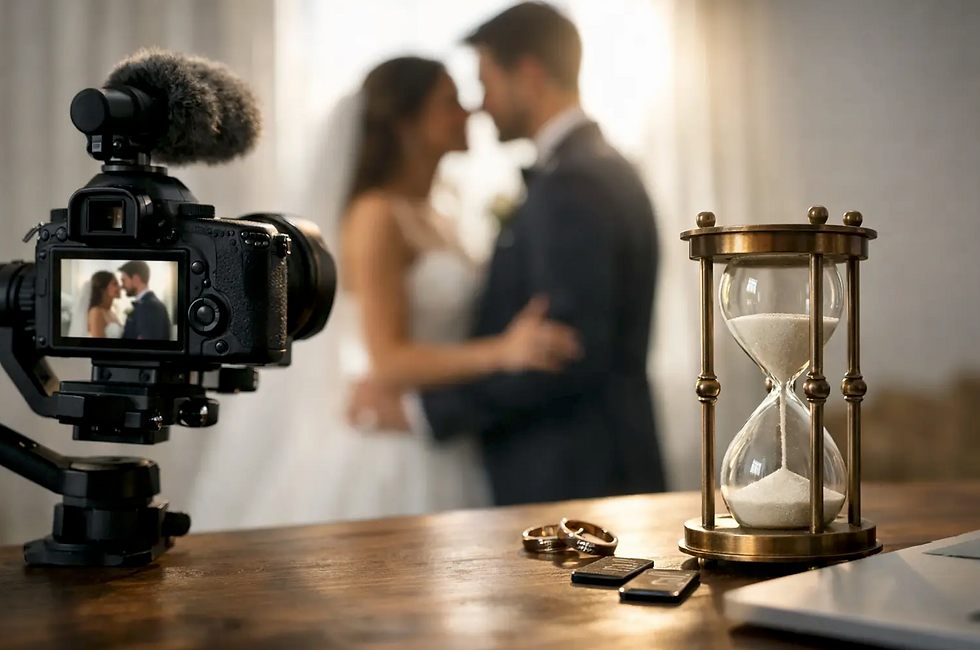
Bride and groom watching wedding video together emotional moment

You will probably remember how your wedding looked. What surprises many couples is how much they miss hearing it. The pause before the vows. A parent’s voice during a toast. The laughter during the reception that never shows up the same way in a still image. If you are asking is wedding videography worth it, the real question is usually whether those living, moving parts of the day matter enough to preserve.


For many couples, it does.. Not because wedding video is a trend, but because a wedding day moves fast and disappears even faster. A professional film gives you a way to revisit the emotion, sound, and rhythm of the day in a way photography alone cannot.

Is wedding videography worth it for every wedding?


Not automatically. Wedding videography is valuable, but it is not one-size-fits-all. The answer depends on what you care about most, how you want to remember the day, and how your budget is prioritized.


If your top goal is to preserve atmosphere and emotion, video usually feels worthwhile long after the wedding is over. If you mainly want a clean visual record and are comfortable relying on photographs and memory, you may feel less urgency about it. There is no wrong answer. The key is understanding what video actually gives you before you decide.


A lot of couples first see videography as an optional extra. Then they imagine not hearing their vows again, not seeing grandparents moving through the day, or not being able to rewatch the speeches. That is often the moment the value becomes more concrete.

What wedding videography captures that photos cannot


Photography and videography work best together because they preserve different parts of the same story. Great photos can freeze a moment beautifully. Great video lets that moment unfold.


Think about the ceremony. A photograph can capture the expression on your face when the doors open. Video captures the walk, the music, the reaction from your partner, and the sound in the room. During the reception, a still image might preserve a toast at its emotional peak. Video lets you hear the full speech, the room’s response, and the little reactions at your table.


That difference becomes more meaningful over time. Years later, couples often say the voices matter most. The way a parent sounded. The exact words in the vows. The laughter during getting ready. These are details memory softens over time, and video preserves them with clarity.


A strong wedding film also gives context. It connects the quiet moments, the high-energy moments, and the in-between moments into a complete story. That is especially valuable for a full wedding day, where so much happens at once and the couple cannot be everywhere.

The emotional value tends to grow after the wedding


One reason couples hesitate is simple - wedding videography is hardest to appreciate before you have it. In the middle of planning, it can feel abstract compared with flowers, food, or attire. Those are immediate decisions. Video is about future value.


But once the day has passed, the film often becomes one of the few parts of the wedding that actually increases in meaning. The dress is stored. The flowers are gone. The timeline is over. Your film becomes the closest thing to returning to the day itself.


This is especially true when family dynamics shift over time. Loved ones age. Voices change. Some people who were present on your wedding day may not be there years later. Having them preserved in motion and sound carries a kind of weight that is hard to measure in a budget spreadsheet.


That does not mean every couple needs an elaborate production. It means the emotional return on video is often underestimated at the planning stage.

When wedding videography may be especially worth it


Some weddings naturally benefit even more from professional video coverage. If your ceremony is highly personal, if you have meaningful speeches planned, or if family is traveling in from different places, video becomes a stronger investment.

It is also especially valuable for larger weddings. On a busy wedding day, there are many moments the couple does not fully see - guest reactions, cocktail hour interactions, dance floor energy, and small family exchanges happening across the venue. A video team can document those layers in a way that helps you experience more of your own day afterward.


Venue style can matter too. In New Jersey, many weddings take place at estates, country clubs, churches, and waterfront venues where the setting contributes heavily to the atmosphere. Video captures movement, architecture, weather, and light in a way that helps the location feel alive again.


And if you know you are a sentimental couple, that is worth listening to. Some people revisit family videos often. Some do not. If you already value motion, sound, and storytelling, wedding videography is usually a natural fit.

The budget question couples really wrestle with


For most couples, this decision comes down to value, not just cost. Wedding videography is an added investment, and it should be weighed honestly against the rest of your priorities.


The practical question is not whether video is expensive in isolation. It is whether it gives you a return that matters more than another upgrade in your wedding budget. Would you remember the upgraded linens five years from now? Maybe not. Would you rewatch your vows, speeches, and first dance? Many couples do.

Still, trade-offs are real. If adding videography means cutting into something deeply important to you, the answer may be different. Some couples would rather keep the guest list intact or spend more on live music. Others feel strongly about preserving the day on film and are willing to scale back decor or favors to make room for it.


This is where package structure matters. Full-day coverage, highlight films, ceremony edits, and long-form wedding movies all offer different levels of documentation. You do not always need the biggest package to get lasting value, but you do want enough coverage to tell the story well.

How to tell if a professional videographer is worth it


If you decide you want video, quality matters. A wedding videographer is not just recording events. They are managing lighting changes, audio capture, timing, movement, and storytelling in real time, all while working around a live event that does not pause for second takes.


That is why experience is so important. A seasoned wedding videographer knows how to capture vows clearly in a church, adapt to changing outdoor light at a waterfront venue, and move discreetly during emotional moments without interrupting them. Audio is a major part of this. Beautiful visuals matter, but poor sound can weaken the final film quickly.


Editing also shapes the experience. A well-crafted highlight film should feel cinematic and emotionally true, not overproduced or disconnected from the actual day. Long-form edits have their own value too, especially for couples who want to relive the ceremony and speeches in full rather than only through short clips.


If you are comparing options, look beyond equipment lists. Pay attention to whether the work feels emotionally grounded, whether people look comfortable on camera, and whether the story feels complete. That is often the difference between a video you appreciate and one you return to for years.

So, is wedding videography worth it?


For couples who want to remember not only how the wedding looked but how it felt, the answer is often yes. The ability to hear the vows, see the movement, and revisit the real atmosphere of the day gives wedding videography lasting value that is difficult to replace.


That said, it is worth it when the coverage matches your priorities and when the team behind it knows how to tell the story with care. A rushed or inexperienced approach can leave important moments under-captured. A thoughtful, professional one can preserve the day in a way that still feels powerful decades later.


At Blue Moon Video Productions, we have seen how often couples come back to the moments they almost thought they could skip - the spoken words, the reactions, the emotion between the big events. If you are weighing the decision now, try to picture the version of your wedding memories you will want to hold onto when the planning is long behind you. That answer usually tells you more than the budget line ever will.


The best wedding investments are not always the ones that stand out most on the day itself. Sometimes they are the ones that let you return to it, clearly and completely, for years to come.. Sometimes they are the ones that let you return to it, clearly and completely, for the rest of your life.


If you're still deciding whether wedding videography is worth it for your day, you can explore real wedding films from Blue Moon Video Productions to see how these moments are captured and preserved.

Wedding videographer editing wedding film footage on computer


Wedding Film Turnaround Time: How Long Does It Take?


A few days after the wedding, most couples are still replaying the big moments in their heads - the vows, the speeches, the first dance, the quick glances no one else noticed. That is usually when the questions start: when will we see the film, and what is a normal wedding film turnaround time? It is a fair question, especially when the video is the one part of the day that lets you hear voices again, watch movement, and relive the full emotional pace of what happened.


The short answer is that wedding film delivery is rarely immediate, and for good reason. A wedding film is not simply a collection of clips exported from a camera. It is a carefully edited story built from hours of footage, multiple audio sources, and dozens of real moments that need to be shaped into something meaningful.

What Wedding Film Turnaround Time Usually Looks Like


For most professional wedding videography studios, wedding film turnaround time typically falls between 8 and 12 weeks, especially when the studio has a dedicated editing process and team in place.


That timeframe allows enough time for a wedding videographer to carefully review footage, edit the story, refine audio, and deliver a polished final film without rushing the process.


However, turnaround time can vary depending on how a wedding videographer or studio operates.


Some wedding videographers personally handle everything — filming the wedding, editing the footage, communicating with clients, and running the business. These videographers often create beautiful work, but because they are managing multiple responsibilities, turnaround times can extend to 4 to 7 months or longer, especially during peak wedding season.


Other wedding videography studios operate with a structured workflow and a dedicated team. With the right systems in place, they are able to balance filming and editing more efficiently while still maintaining a high level of quality.


Season also plays a role. Weddings that take place during peak months — typically late spring through fall — may experience slightly longer turnaround times due to higher production volume. Even with an efficient workflow, minor delays can occasionally happen.


The key is not just how long delivery takes, but how well the wedding videography process is managed from start to finish.

Why a wedding film takes time


The most important reason is simple: good editing is slow. On the wedding day, a videographer captures far more material than what appears in the finished film. The editor then has to watch, organize, and select from all of it.

The footage review process


A full wedding day can produce hours of video from multiple cameras. Preparation, first look, ceremony, portraits, cocktail hour, reception entrances, toasts, dances, and open dancing all add up quickly. Before editing even begins, someone has to review that footage and identify the strongest visual and emotional moments.


This stage matters more than couples often realize. The difference between an average wedding film and one that feels deeply personal often comes down to choices made here - which lines from a vow to include, where to hold a reaction shot a second longer, or how to build a transition from anticipation to celebration.

Audio cleanup and syncing


Wedding films depend heavily on clear audio. Vows, officiant remarks, speeches, and ambient sound give the final piece its emotional weight. That audio is often recorded from lavalier microphones, on-camera sources, DJ feeds, and backup recorders.


All of those sources need to be synced and checked. If a microphone rustled against fabric, if a DJ feed was too hot, or if a room had strong echo, the editor may need extra time to clean things up. Couples may never notice the technical work, but they absolutely feel the result when the film sounds polished and natural.

Story editing, color, and finishing


Once selects are made, the real shaping begins. The editor structures the film so it flows naturally and reflects the tone of the day. Some weddings feel elegant and understated. Others are fast-paced and energetic. The pacing, music, audio layering, and scene order all have to support that specific story.


Then there is color correction and color grading, which help unify footage shot in different lighting conditions. A New Jersey church ceremony, a bright waterfront portrait session, and a dimly lit ballroom reception each require different treatment to look cohesive. Add title work, export testing, and final review, and it becomes clear why professional delivery takes more than a few days.

What affects wedding film turnaround time the most


Not every delay is a red flag, and not every fast delivery is a sign of efficiency. Turnaround depends on several practical factors.


The package you booked makes a difference. A short highlight film is faster to produce than a package that includes a teaser, a full ceremony edit, complete speeches, and a long-form documentary cut. More deliverables mean more editing hours.


The size of the studio matters too. A larger team may have dedicated editors and a smoother post-production workflow. A smaller boutique studio may have the lead filmmaker personally handling each film, which can take longer but may also produce a more consistent creative result. Neither approach is automatically better - it depends on what you value.


Seasonality also plays a major role. Weddings booked for late summer and fall often enter the busiest editing queue of the year. If a studio is filming every weekend, post-production timelines naturally extend.


Finally, revisions can affect delivery. Some studios include one round of revisions, while others deliver a final cut based on their creative direction. If you request changes after the first version, that can add time, especially during peak season.

Why Some Wedding Videographers Take Longer Than Others


Not all turnaround times are created equal, and understanding why can help you choose the right wedding videographer.


One of the biggest factors is how the wedding videography business is structured.

Some wedding videographers personally handle every part of the process — from filming the wedding day to editing the final video and managing their business. While this can create a very personal experience, it also means editing must compete with everything else on their schedule.


Other wedding videography studios operate with a dedicated team and a defined workflow. This allows filming, editing, and client communication to happen simultaneously, rather than one after the other.


Because of this, studios with a strong process are often able to deliver wedding films more consistently within an 8 to 12 week timeframe, even during busy seasons.


Neither approach is right or wrong — it simply depends on how the wedding videographer operates. The important thing is understanding what to expect before you book.

How to ask about turnaround before you book


One of the best ways to avoid stress is to ask clear questions early. Couples often focus on coverage hours, drone footage, and highlight length, but delivery timing deserves just as much attention.


Ask what the typical turnaround is, whether that timeline changes during busy months, and if any sneak peeks are included. It also helps to ask whether the timeline in the contract reflects real average delivery or the absolute outer limit. A studio may quote 16 weeks in the agreement but usually deliver sooner.


If fast delivery matters to you, say so. Some couples are relaxed as long as they know the film is being handled with care. Others are planning a post-wedding gathering or want the film ready before a honeymoon celebration with family. Sharing that context can help your videographer explain what is realistic.

Is a faster wedding film turnaround time always better?


Not always — but it can be, depending on how the wedding videographer operates.

A faster turnaround time is often the result of a well-structured workflow and a refined editing process. Wedding videography studios that have a clear system in place can deliver films efficiently while maintaining a high level of quality.


Many professional wedding videographers follow a consistent editing style and process, which ensures that every film meets a certain standard. This consistency is important because it allows couples to know exactly what to expect based on the work they have already seen.


On the other hand, longer turnaround times do not automatically mean higher quality. In some cases, delays can come from limited resources, overlapping responsibilities, or a lack of structured workflow.


The most important question to ask is:


Does the wedding videographer have a proven process, a consistent style, and a realistic delivery timeline?


A strong wedding videography studio should be able to balance quality, consistency, and efficiency — delivering a film that feels polished, emotional, and true to your day within a reasonable timeframe.


Not always.


Fast delivery can be a sign of an efficient and well-organized wedding videography workflow. But in some cases, extremely quick turnaround may mean the editing process is more templated, with less time spent crafting a unique story.


On the other hand, longer turnaround times do not automatically mean higher quality either. Delays can sometimes come from a lack of structure, limited resources, or competing responsibilities within the wedding videography business.

The better question to ask is:


Does the wedding videographer have a clear process, realistic timeline, and consistent delivery?


A well-run wedding videography studio should be able to balance both quality and efficiency — delivering a film that feels thoughtful and polished within a reasonable timeframe.

What good communication looks like after the wedding


The waiting period feels easier when communication is clear. After the wedding, a professional studio should confirm that your footage has been backed up and remind you of the estimated delivery window. If they offer a teaser or social media preview, they should explain when that is likely to arrive.


If the timeline changes, you should hear that directly. Most couples are understanding when they know what is happening. Frustration usually comes from silence, not from the editing timeline itself.


This is one reason experience matters. A seasoned wedding filmmaker understands that couples are not just waiting for a file. They are waiting for the one keepsake that brings voices, movement, and emotion back in a way photos cannot. That deserves both care and communication.

Setting realistic expectations for your film


If you are currently comparing videographers, think of wedding film turnaround time as part of the overall service experience, not a separate detail. The timeline should align with the style of work, the number of deliverables, and the professionalism of the studio.


At Blue Moon Video Productions, that balance matters because couples are trusting a team to preserve once-in-a-lifetime moments with both emotional sensitivity and technical care. Whether your wedding takes place at a church, an estate venue, or a waterfront ballroom, the final film should feel worth the wait.


A good wedding film does more than show what happened. It helps you return to how it felt. If your videographer is thoughtful, transparent, and clear about the process, a reasonable wait is often part of getting a film you will still love years from now.


When you ask about delivery, you are not being impatient. You are planning well. And when the timeline is matched by strong storytelling, polished editing, and honest communication, the wait starts to feel less like a delay and more like part of creating something lasting.


At Blue Moon Video Productions, that balance matters.


With over 17 years of experience and more than 2,000 weddings filmed, having the right process and team in place allows for a smooth and consistent turnaround while maintaining the quality couples expect from a professional wedding videographer.


If you're currently comparing wedding videographers, understanding turnaround time — and how it connects to process and quality — will help you make the right decision for your wedding day.


Many couples working with a New Jersey wedding videographer ask about wedding film turnaround time so they can plan when to share their video with family and friends.


Bride and groom at country club wedding venue in New Jersey captured by wedding videographer

Country Club Wedding Videographer NJ: What Makes These Weddings Unique on Film


The first look on a terrace. Cocktail hour spilling onto a manicured lawn. A packed ballroom with speeches that deserve more than a few seconds in a highlight reel. Country club weddings in New Jersey have a rhythm all their own, and the right film team knows how to work with that rhythm instead of chasing it.


If you are searching for a country club wedding videographer NJ couples can trust, it helps to understand what makes these venues different on camera. Country clubs often feel polished and effortless to guests, but filming them well takes planning, timing, and experience. The setting gives you elegance built into the day. The challenge is preserving that beauty while still capturing the candid, emotional moments that make the film feel like your wedding, not just a pretty venue tour.

Why country club weddings film so well


There is a reason so many couples choose country clubs for their wedding day. These venues usually offer attractive grounds, refined interiors, and a smooth guest experience. From a videography perspective, that matters.


A well-designed property creates natural visual variety without forcing the day to feel rushed. You may have prep in a bright suite, portraits near the gardens or golf course, cocktail hour outside, and a reception in a ballroom with dramatic lighting and architecture. That range helps create a wedding film with movement and texture.


The best part is not just that country clubs look beautiful. It is that they often support a full-day story. There is room for quiet moments before the ceremony, space for families to gather comfortably, and enough structure in the timeline to capture vows, speeches, and dancing without making the coverage feel chaotic.

What a country club wedding videographer in NJ should understand


Not every venue films the same way, even when two country clubs look equally elegant in photos. An experienced videographer pays attention to details that directly affect your final film.

Light changes quickly across the property


Country club weddings often move through several environments in one day. Prep rooms may have soft window light. Outdoor ceremonies can shift from bright sun to cloud cover within minutes. Ballrooms may start with warm ambient light and end with a darker dance floor lit by DJs, candles, and uplighting.


A videographer has to adjust quickly without missing moments. This is one reason experience matters so much. Beautiful venue footage is easy to promise. Consistent coverage across changing conditions is harder to deliver.

Audio matters as much as visuals


Country club receptions are often lively, and that energy is part of the appeal. But large rooms, high ceilings, and full guest counts can create challenges for clean audio. Vows, toasts, and parent speeches should not sound distant or muffled.


A professional wedding film should let you hear the emotion in your voices, the pauses during a speech, and the laughter that follows a meaningful line. That kind of clarity comes from proper audio setup, not from hoping the room mic catches enough.

Timelines can look relaxed but still be tight


Country clubs are known for polished service, which can make the day feel smooth from start to finish. Even so, the timeline can become compressed quickly. Travel between prep and ceremony spaces, golf cart access to portrait locations, sunset timing, and ballroom transitions all affect what can realistically be filmed.


This is where a calm, organized video team makes a real difference. Good coverage is not just about reacting well. It is about anticipating where the day could get squeezed and protecting the moments that matter most.

The moments that matter most at a country club wedding


The venue sets the stage, but the film should always center on people. The strongest wedding videos are not built only on drone shots of the grounds or slow-motion ballroom entrances. They are built on the emotional pieces of the day that gain meaning over time.


For many couples, that starts with the ceremony. Whether you are married outdoors overlooking the course or inside a formal ceremony space, your vows are the heart of the film. The same is true for speeches. At country club weddings, toasts often become one of the most memorable parts of the reception because the setting gives everyone space to settle in and really listen.


There are also the smaller moments that couples rarely see in real time. A parent steadying themselves before walking down the aisle. Your partner exhaling right before the ceremony begins. Guests talking at cocktail hour while the sun drops behind the property. These are the details that make a wedding film feel lived-in and personal.

How cinematic coverage works in a refined venue


Couples often want a cinematic film, especially when they have chosen a formal venue with classic style. That makes sense. Country clubs naturally lend themselves to elegant imagery.


But cinematic should never mean overly staged. The most effective approach balances composition with authenticity. That may mean giving light direction during portraits so your footage feels polished, while staying unobtrusive during emotional parts of the day so reactions remain real.


At a country club wedding, there is usually enough visual interest to create a sophisticated film without forcing moments that do not fit your personality. If you are not naturally performative, your video should not feel like it was built around constant posing. It should feel graceful, natural, and true to the way the day actually unfolded.

Questions to ask before booking

When you compare videographers, ask how they handle full-day storytelling, not just highlight footage. A short teaser can look beautiful on social media, but your wedding day deserves more than a collection of stylish clips.


Ask whether they capture full ceremony and speech audio, how many filmmakers will be present, and how they work with photographers and venue staff during a busy timeline. If you are planning a larger country club wedding, coverage logistics become even more important. You want a team that can move efficiently through the property and still stay focused on genuine moments.


It is also worth asking to see films from venues with a similar pace and style. A country club wedding can be classic and formal, black tie and high energy, or intimate and understated. The right videographer should be able to show work that reflects more than one version of elegance.

Why experience matters at NJ country club venues


New Jersey has no shortage of beautiful country club wedding venues, but each one comes with its own flow. Some have expansive grounds and multiple portrait locations. Others are more compact and rely on interior details, terraces, and reception design to shape the visual story.


A videographer with deep wedding experience knows how to make those differences work in your favor. They know when to step in with direction and when to let the moment breathe. They know how to work quickly before sunset, how to capture the room before guests enter, and how to preserve the emotional core of the day even when the schedule shifts.


That balance is part of what couples are really looking for when they hire a professional. They are not only hiring someone to record events. They are trusting a team to preserve the feeling of the day with care, technical consistency, and good judgment.


At Blue Moon Video Productions, that approach has guided wedding coverage for more than 17 years. For couples planning a country club celebration, the goal is simple - create a film that reflects the elegance of the venue without losing the emotion, personality, and once-in-a-lifetime moments that made the day yours.

A good wedding film should outlast the venue details


The ballroom setup will change. Floral trends will change. Even the songs from your reception will place the film in a certain era. What lasts is the way your voices sound, the way your families reacted, and the moments you missed because the day moved so quickly.


That is what a strong country club wedding film should protect. Not just the polished exterior of the day, but the real experience of being there. If your venue is giving you elegance, your videographer should give you memory, shape, and story to match it.

When you are choosing who will film your wedding, look beyond the pretty shots of the grounds. Look for the team that can capture the atmosphere and the emotion with equal care. Years from now, that is the difference you will feel when you press play.


Many couples searching for a country club wedding videographer NJ professionals recommend are looking for a team that can balance elegant venue coverage with authentic storytelling.

bottom of page