top of page
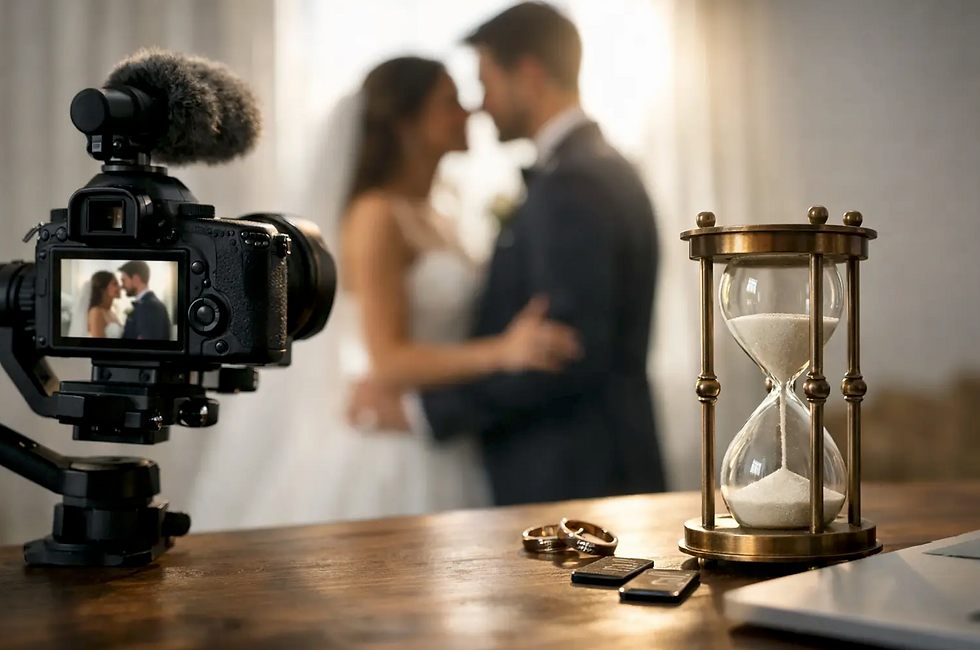
Wedding videographer filming bride and groom during ceremony at New Jersey wedding

When to Book a Wedding Videographer for Your Wedding Day


If your wedding date is set and your venue contract is signed, it’s already time to book your wedding videographer.

That surprises a lot of couples. Videography is often treated like a later decision, something to revisit after the dress, flowers, and music are handled. But in practice, the most experienced wedding filmmakers are usually booked well in advance, especially for peak dates in New Jersey, New York, and Pennsylvania. If preserving your vows, speeches, reactions, and all the moments you will miss in real time matters to you, videography should move up your list.

When to book wedding videographer services

For most couples, the best time to book a wedding videographer is 9 to 18 months before the wedding.

That range gives you the strongest chance of securing a company whose work you genuinely love, not just someone who still has the date available. It also gives you time to talk through coverage, filming style, timeline needs, and whether you want a highlight film, a long-form wedding movie, or both.

If you are getting married during peak wedding season, especially on a spring or fall Saturday, it is smart to book even earlier. Popular dates can fill quickly once venues start confirming calendars. Estate venues, country clubs, church weddings, and waterfront locations often create demand for full-service photo and video teams long before the wedding day arrives.

If your date is off-season or on a Friday, Sunday, or weekday, you may have a little more flexibility. Even then, waiting too long can narrow your options more than couples expect.

Why videographers book up earlier than many couples realize

A wedding videography company is not just reserving a camera for your day. They are reserving a production schedule.

Full-day coverage usually means your date is blocked for planning, travel, filming, audio setup, coordination with photographers and planners, and then many hours of editing afterward. Studios that focus on cinematic storytelling also take on a limited number of weddings so they can maintain quality and consistency.

That matters because wedding films are built from real moments that cannot be repeated. The exchange of vows, a father's toast, the way your partner reacts when they first see you - these are one-time events. Experienced videographers know how to capture them cleanly, beautifully, and without interrupting the flow of the day. Couples who prioritize that level of coverage tend to book early.

The ideal booking timeline by wedding planning stage

12 to 18 months out

This is the sweet spot for many couples. Once your venue and date are secured, you can start researching filmmakers whose style matches the way you want your wedding remembered.

At this stage, you usually have the most options. You can compare portfolios carefully, ask thoughtful questions, and choose based on experience and storytelling instead of availability alone. If you are planning a high-demand date or a wedding at a well-known New Jersey venue, this early timeline is especially helpful.

9 to 12 months out

This is still a very solid time to book. Many excellent videographers may still be available, but calendars will likely be tighter.

You may need to move a little faster once you find a company you connect with. If you have already decided that wedding video is a priority, this is the point where delaying usually creates more stress than benefit.

6 to 9 months out

Booking is still possible, but options may become limited for prime dates. You might find that certain studios are already committed, or that package availability is narrower than it was earlier in the process.

This does not mean you have missed your chance. It simply means your search should become more focused. Look for clear experience, complete wedding-day coverage, strong audio quality, and films that feel emotionally honest.

Less than 6 months out

At this stage, availability can vary widely. Some couples get lucky. Others find that the filmmakers they hoped to hire are fully booked.

If you are within six months of your wedding, reach out anyway. Date changes, weekday openings, and smaller production gaps do happen. But be prepared to make a decision quickly if you find the right fit.

What affects how early you should book

There is no single answer for every wedding. The right timeline depends on a few practical factors.

Season is a major one. In the Northeast, spring and fall weddings tend to be in especially high demand. If your wedding falls during a busy season, early booking gives you the best chance of securing a seasoned team.

Your venue also matters. Well-known venues often attract couples who book top-tier vendors early, especially when the setting calls for cinematic coverage. A formal ballroom, church ceremony, estate property, or waterfront location can all increase competition for experienced video teams.

Your priorities matter just as much. If you are flexible and simply want basic coverage, you may be comfortable booking later. If you care deeply about polished editing, professional audio, full-day storytelling, and a film that feels true to the day, it makes sense to treat videography as an early booking priority.

Why couples sometimes wait - and regret it

One of the most common planning mistakes is assuming photos will be enough.

Photography captures beautiful still moments. Video preserves movement, voices, timing, and sound. It lets you hear your ceremony as it happened, watch your first dance unfold, and revisit the energy of the room during speeches and celebrations. Years later, that difference becomes very clear.

Another reason couples wait is budget timing. That is understandable. Weddings involve many moving parts, and some decisions feel more immediate. But when couples come back to videography later, they often find their favorite options are no longer available.

After filming weddings for more than 17 years, Blue Moon Video Productions has seen how often couples are grateful they made room for video early. The emotional value tends to grow with time, especially once the day has passed in what feels like a blur.

How to know you are ready to book

You do not need every wedding detail finalized before reserving your videographer.

In most cases, you are ready to book once you have your date, venue, and a clear sense that video matters to you. You should also feel confident in the company's style, professionalism, and communication. A good fit is not only about beautiful footage. It is about trusting the team to work calmly, collaborate well with your other vendors, and capture real moments without making the day feel staged.

As you compare options, pay attention to full wedding films, not just short highlight reels. Highlights are valuable, but full edits tell you more about how a company handles ceremonies, speeches, pacing, and audio. That broader view can make your decision much easier.

Questions worth asking before you sign

A strong booking decision comes from clarity. Ask what is included in coverage, how many filmmakers will be there, how audio is recorded, what the editing process looks like, and how long delivery typically takes.

It also helps to ask how the team works with photographers and planners, whether they have experience at venues similar to yours, and what they recommend for your timeline if you want the best possible footage. These conversations are often where couples begin to understand the difference between basic documentation and thoughtful cinematic storytelling.

If you are booking both photo and video

Many couples prefer to book photography and videography around the same time, and often from the same studio. That can simplify communication and create a smoother wedding-day experience.

When one team handles both, there is usually stronger coordination around timing, lighting, family moments, and major events. No one is competing for position. No one is guessing what the other team needs. The result is often a more relaxed day and more complete coverage.

If that approach appeals to you, it is another reason not to wait too long. Combined photo and video teams with strong reputations can book quickly.

The short answer couples actually need

If you are wondering when to book wedding videographer services, the best answer is this: soon after you book your venue, and ideally at least 9 to 12 months before the wedding.

Earlier is better for peak dates. Later can still work, but your choices may be narrower.

The right videographer does more than record events. They preserve the sound, pace, emotion, and atmosphere of a day you will never live the same way twice. Once you know that matters to you, there is real value in securing the right team before your calendar - and everyone else's - fills up.

A good wedding film lets you return to the day as it felt, not just as it looked. That is worth planning for early.


Many couples searching for a New Jersey wedding videographer begin their search shortly after booking their venue, especially for popular spring and fall wedding dates.

Wedding videographer filming bride and groom during ceremony with full wedding day coverage

How Many Hours of Wedding Videography Is Enough?

One of the most common questions couples ask while planning their wedding is:

How many hours of wedding videography do we actually need?


The answer depends less on packages and more on how your wedding day timeline unfolds.


After filming more than 2,000 weddings since 2008, we've learned that the right amount of coverage depends on several factors, including your ceremony location, preparation schedule, portrait session, and reception timeline.


Some weddings can be beautifully documented in six or seven hours. Others require ten hours or more to capture the full story of the day.


Understanding how a wedding timeline works will help you choose the right coverage so that no important moments are missed.


How Many Hours of Wedding Videography Do Most Couples Need?

Most couples book between 8 and 10 hours of wedding videography coverage.

This range typically allows time to capture:

  • Getting ready moments

  • The ceremony

  • Portrait sessions

  • Reception entrances

  • First dances

  • Speeches

  • Dance floor celebration

However, the exact number of hours depends on the structure of your wedding day.

For example, a wedding where everything happens at one venue may need fewer hours than a wedding that includes a church ceremony and travel between locations.

Weddings at One Location: When 6–7 Hours Can Work

If your wedding ceremony and reception are happening at the same venue, six to seven hours of videography coverage can sometimes be enough.


This type of timeline usually includes:


  • Ceremony coverage

  • Reception entrances

  • First dance and parent dances

  • Toasts and some dancing


Because everything happens in one location, there is no travel time between events, which allows the schedule to move more efficiently.


However, couples should keep in mind that shorter coverage usually means no preparation, first look, or portrait session footage which take place before the ceremony.

Wedding Videography at One Location: Why Most Couples Still Choose 8–10 Hours

Even when the ceremony and reception take place at the same venue, most couples still choose 8 to 10 hours of wedding videography coverage.


That’s because a wedding day includes much more than just the ceremony and reception.


Many couples want their film to capture:


  • Morning preparations

  • Emotional moments with family and friends

  • A private first look

  • Portrait and video sessions with the wedding party

  • The ceremony itself

  • Reception entrances, dances, and speeches

  • Celebration on the dance floor


Preparation coverage alone usually requires about two hours, and portrait sessions for photography and video often take another two hours.


If you plan to do a first look, adding about 30 extra minutes to the timeline allows that moment to unfold naturally.


When these parts of the day are included, most weddings naturally fall into the 8–10 hour coverage range, even when everything happens at one location.


Shorter coverage — around 6–7 hours — can work for couples who prefer to focus primarily on the ceremony and reception without extensive preparation or portrait coverage.


The most important thing is making sure there is enough time for your wedding film to capture the moments that matter most to you.

When 12 or More Hours of Wedding Videography Is Needed


Some weddings naturally require 12 hours or more of wedding videography coverage, especially when the day includes multiple locations.


This is most common with traditional church weddings where the timeline includes several parts of the day spread across different venues.


A typical timeline may include:


  • Preparation coverage at a hotel or home

  • Travel to the church ceremony

  • A full church ceremony

  • Portrait sessions outside the church

  • Additional photo and video locations

  • Travel to the reception venue

  • Cocktail hour and reception events


Many couples also choose to visit additional portrait locations between the ceremony and reception. Parks, waterfronts, gardens, or scenic landmarks often become beautiful backdrops for both photography and cinematic video footage.


When travel time and additional portrait stops are included, the wedding timeline expands quickly. Because of this, many church weddings require 12 hours or more of videography coverage to capture the entire story of the day comfortably.


Extended coverage can also be helpful when couples plan:

  • Multiple preparation locations

  • Cultural or religious traditions

  • Large family portrait sessions

  • Late-night sparkler send-offs or fireworks


These timelines naturally create a longer wedding day, and planning for 12 hours or more of coverage ensures that the film captures every meaningful chapter without rushing the moments that matter most.


How Your Wedding Timeline Affects How Many Hours of Videography You Need


Your wedding timeline is the single biggest factor in determining how many hours of wedding videography coverage you need.


Two weddings can have the same number of guests but require very different coverage depending on how the day is structured.


For example, a wedding where everything takes place at one venue may flow smoothly from preparations to the ceremony and reception.

Another wedding might include:


  • Preparation at a hotel or home

  • A church ceremony in a different location

  • Portrait sessions after the ceremony

  • Travel between locations

  • A reception at a separate venue


Even though the events themselves may be similar, the second wedding requires more videography coverage simply because of travel and transitions throughout the day.

Portrait sessions also affect the timeline. Couples typically need about two hours for photography and video portraits, especially when including the wedding party and cinematic couple footage.

Preparation coverage also adds time. Most videographers recommend about two hours to properly capture getting ready moments, including detail shots, family interactions, and the anticipation before the ceremony.

When these elements are combined, wedding days often extend into the 8 to 10 hour range or more.

This is why experienced wedding filmmakers recommend building coverage around the actual timeline of your wedding day, rather than simply choosing a package based on hours.

A well-structured timeline allows the day to unfold naturally while ensuring that the most meaningful moments of your wedding are captured beautifully on film.

Moments Couples Regret Missing on Video

When couples wish they had booked more hours, it is rarely because they wanted more footage of centerpieces. It is usually because they missed something personal.

Getting-ready coverage often becomes more valuable over time than couples expect. The quiet before the ceremony, a parent helping with final details, a letter being read, or the reaction during a first look often carries enormous emotional weight in the finished film.

Later in the day, toasts and dances matter for the same reason. The voices of loved ones, especially parents and grandparents, become part of your family history. Those are not moments most couples want cut short because the coverage ended early.

The final stretch of the reception can matter too. Once the formal schedule is over, the atmosphere changes. People relax, the dance floor fills, and some of the most joyful footage of the day happens then.

How to choose the right number of hours for your wedding

Start by asking what you want your film to feel like when you watch it years from now.

If you mainly want the ceremony and a few highlights from the reception, fewer hours may be enough. If you want a film that captures anticipation, emotion, family interactions, spoken words, and the full arc of the day, you will likely want eight to ten hours or more.

It also helps to think backward from the events you care about most. If you want preparation footage, ceremony coverage, full speeches, parent dances, and dancing afterward, calculate how many hours are actually needed to connect those moments without rushing. This usually gives a clearer answer than starting with a budget number alone.

An experienced studio can help you map that out honestly. At Blue Moon Video Productions, for example, full-day coverage is often the best fit because it protects the story from the natural delays and emotional surprises that happen at real weddings.

A practical rule of thumb for wedding videography hours

If you are planning a shorter, simple celebration with one location, six to eight hours may be enough.

If you are planning a traditional wedding with preparations, ceremony, portraits, and a full reception, eight to ten hours is typically the right range. If your day includes multiple locations, cultural traditions, a long guest count timeline, or a late-night exit, ten to twelve hours is usually the better choice.

The goal is not to book the most hours possible. It is to book enough time so your wedding film feels complete, relaxed, and true to your day.

Years from now, you will not measure your wedding film by how efficiently the timeline was packaged. You will measure it by whether it brings you back to the voices, faces, and moments that mattered most. Many couples working with a New Jersey wedding videographer find that eight to ten hours of coverage provides the best balance between capturing the full story and keeping the wedding day relaxed.

questions-to-ask-wedding-videographer-meeting

The difference between a wedding video you watch once and a film you return to for years usually comes down to what was discussed before the wedding day.

Most couples know to ask about price and availability. Those matter, of course. But the best conversations go further. You want to understand how a videographer works under pressure, how they capture sound, how they tell a story, and what happens when the schedule shifts, the light changes, or the weather does what it wants.

If you are meeting with studios and comparing options, these are the best questions to ask wedding videographer candidates before you sign a contract.

Why the right questions matter

Wedding videography is not just about showing up with a camera. It is about documenting moments that cannot be recreated later - your vows, your parents' reactions, the speeches, the way your partner looks at you during the first dance, and the atmosphere of the entire day.

A strong videographer brings technical skill, but also calm judgment. They know when to direct, when to stay invisible, and how to build a film that feels true to your wedding rather than generic. The right questions help you see that difference early.

Questions to Ask Wedding Videographer Before Booking

1. How would you describe your filming style?

This is one of the first questions worth asking because style affects everything else. Some videographers lean heavily cinematic, with dramatic pacing and stylized shots. Others are more documentary in approach and focus on capturing events as they unfold. Many studios blend both.

Neither style is automatically better. It depends on what you want to feel when you watch your film years from now. If you love authentic reactions and natural storytelling, ask how they balance artistic shots with real coverage of the day.

2. What is included in your coverage?

Coverage can mean very different things from one company to another. Some packages begin at the ceremony. Others include preparations, first look, portraits, cocktail hour, reception, and formal exit.

Ask how many hours are included, whether overtime is available, and whether the team typically stays through major reception events. If you care about the full emotional arc of the day, from getting ready through the final dance, make sure the coverage reflects that.

3. Will you capture clean audio from the vows and speeches?

Couples often focus on visuals first, but audio is what gives wedding films emotional weight. Beautiful footage matters. Hearing your voices clearly during your vows matters just as much.

Ask how the videographer records ceremony audio, officiant audio, and reception speeches. Do they use lavalier microphones, direct feeds from the DJ's sound board, backup recorders, or a combination? The safest answer usually includes redundancy. Live events are unpredictable, and experienced videographers prepare for that.


4. How many videographers will be there?

The answer often depends on the size and complexity of your wedding. A smaller celebration in one location may be well covered by one filmmaker. A large wedding with separate prep locations, a church ceremony, and a busy reception may benefit from two or more.

More coverage can mean more angles, better ceremony footage, and an easier time capturing both partners getting ready. At the same time, not every wedding needs a large crew. The right fit depends on logistics, timeline, and what moments matter most to you.

Questions that reveal experience

5. Have you filmed weddings at venues like ours?

This is not about whether your videographer has worked at your exact venue, though that can help. It is more about whether they understand your setting.

An estate wedding, a ballroom reception, a waterfront venue, and a church ceremony all present different challenges with lighting, sound, movement, and timing. A team with broad experience can adapt quickly, even in new spaces. If you are getting married in New Jersey, where venues can range from classic country clubs to shorefront locations, that flexibility matters.

6. How do you handle low light, bad weather, or timeline delays?

This question gets to the heart of professionalism. Weddings rarely run exactly on schedule. Hair and makeup can go long. A ceremony can start late. Rain can force portrait plans indoors.

An experienced videographer should answer this calmly and specifically. You want to hear that they know how to work in changing conditions without making the day feel stressful. Great wedding films are often built by teams who can adapt without losing the story.

7. How do you work with photographers and planners?

The best wedding days feel coordinated, not crowded. Your photo and video teams will spend a large part of the day side by side, so their ability to collaborate matters.

Ask how the videographer communicates with photographers, planners, DJs, and venue staff. A seasoned team knows how to share space, keep the timeline moving, and capture key moments without pulling focus from the experience itself.

Questions about editing and delivery

8. What will our final film include?

This is one of the best questions to ask wedding videographer studios because deliverables vary widely. One package may include only a highlight reel. Another may include a highlight film, full ceremony edit, full speeches, teaser, and long-form wedding movie.

Be specific. Ask about the expected length of the main film, whether raw footage is included, and how the story is structured. If you know you will want to relive the full ceremony or hear every speech again, make sure those edits are part of the package or available as an add-on.

9. What is your editing timeline?

Wedding films take time to edit well. Audio has to be synchronized, footage has to be reviewed, color corrected, and shaped into a story that feels natural.

Still, you should know what to expect. Ask when teasers are delivered, how long the full edit usually takes, and whether timing changes during peak wedding season. A clear answer here usually reflects an organized post-production process.

10. What happens if something goes wrong?

This question may feel uncomfortable, but it is a smart one. Ask about backup cameras, audio backups, file storage, team illness, and emergency plans.

A professional videographer should have systems in place for equipment failure, data protection, and last-minute coverage issues. You are not looking for a dramatic answer. You are looking for reassurance that the company has planned for real-world situations.

What to bring to your consultation

You do not need to arrive with every detail finalized. But it helps to have a rough timeline, your ceremony and reception locations, an estimated guest count, and a sense of what moments matter most to you.

If family speeches are a priority, say so. If you are planning a church ceremony with stricter movement rules, mention that. If you care more about documentary coverage than staged shots, that is worth discussing early. Good videographers can tailor their approach, but only if they understand what you value.

Choosing a wedding videographer is partly about portfolio and pricing, but it is also about trust. When you ask thoughtful questions, you are not just comparing packages. You are finding the team that can preserve the sound, movement, and emotion of your wedding day in a way that still feels like you when you press play years from now.

bottom of page