top of page
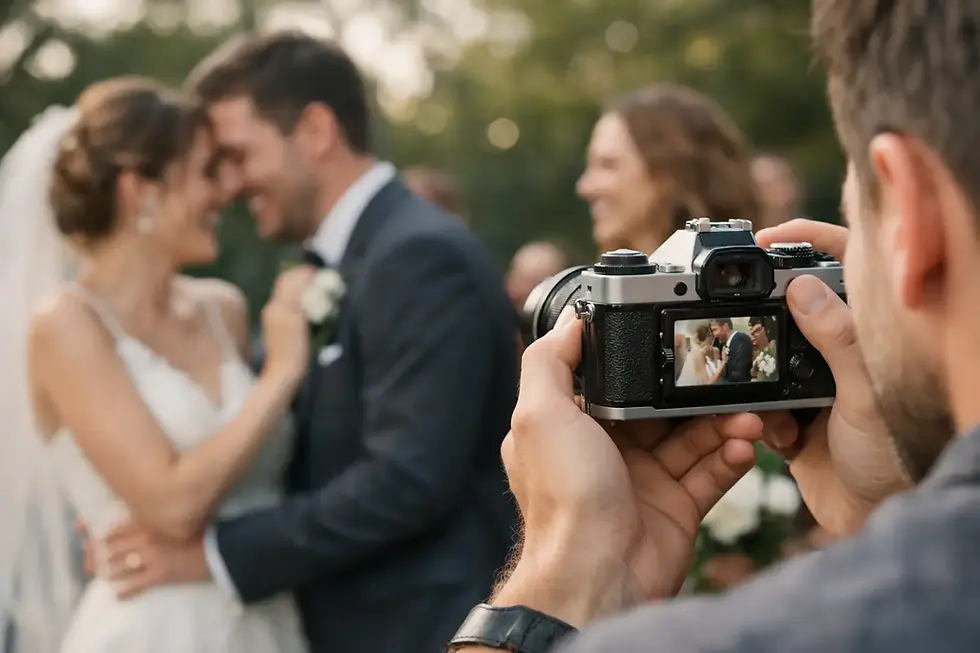
videographer capturing a candid moment between newlyweds on their wedding day

The moments couples return to most are rarely the ones announced on the timeline. It is the parent pausing at the doorway during getting-ready, the deep breath before walking down the aisle, or the laughter that breaks out during a best man’s toast. Learning how to capture candid wedding moments starts with creating space for real life to happen, while having the experience to recognize it before it passes.

A cinematic wedding film should feel like the day itself: joyful, emotional, a little unpredictable, and deeply personal. That requires more than placing a camera in the room. It requires thoughtful planning, discreet coverage, and a team that knows when to step forward and when to let the moment unfold.

Candid Does Not Mean Unplanned

The best candid footage is often supported by excellent preparation. Couples do not need to script their emotions or perform for the camera, but a clear timeline gives the photo and video team the opportunity to be in the right place when meaningful interactions happen.

During a full wedding day, emotional moments tend to gather around transitions: getting dressed, opening a letter, seeing family members for the first time, waiting before the ceremony, and entering the reception. Sharing the schedule, room locations, and any planned surprises with your videographer helps them prepare the right equipment and position without interrupting the experience.

This is especially valuable at large estate venues, country clubs, and waterfront properties in New Jersey, where the bridal suite, ceremony site, cocktail hour, and reception can be far apart. A team that understands the flow of the day can anticipate movement rather than chasing it.

How to Capture Candid Wedding Moments Without Staging Them

The most natural wedding coverage begins with trust. When couples feel comfortable with their photographer and videographer, they stop noticing the cameras. That comfort allows genuine reactions to take center stage.

Choose a team with an unobtrusive approach

Ask potential videographers how they work during intimate parts of the day. An experienced team should be able to capture preparations, private exchanges, and family interactions without turning every moment into a production.

There is a balance to strike. Your vendors may offer light direction when needed, such as placing you near flattering window light or allowing a little extra time for portraits. But during emotional exchanges, a calm professional will usually observe first. A father seeing his daughter in her wedding dress does not need repeated prompts to be meaningful. It needs room to happen once, honestly.

For video, clean audio matters as much as the image. A candid reaction gains even more meaning when it is paired with the actual words spoken in the room, a laugh from the next chair, or the quiet catch in someone’s voice. Discreet microphones during vows and speeches help preserve those details without making the day feel technical.

Build breathing room into your timeline

A rushed schedule is one of the biggest obstacles to authentic coverage. If hair and makeup run late, family portraits are squeezed, and cocktail hour begins immediately after the ceremony, everyone is focused on the next obligation rather than the moment in front of them.

Allow a buffer before the ceremony and between major events. Even 10 or 15 minutes can make a difference. It gives you time to finish getting ready without stress, greet a loved one naturally, or simply sit together after the ceremony before being pulled into portraits.

This does not mean extending the day for the sake of video. It means planning a timeline that reflects what you value. If emotional interactions with parents and grandparents matter to you, protect time for them. If you want a private last dance captured at the end of the evening, let your planner, DJ, and video team know in advance.

Let the people closest to you be themselves

Candid moments are relationship-driven. Your wedding party may be energetic and playful. Your parents may show affection more quietly. Some grandparents may prefer a simple conversation to a formal portrait. All of those expressions belong in the story.

Avoid asking everyone to constantly look toward the camera or repeat reactions for a better shot. Instead, let them participate in the day. When your wedding party helps with the veil, when siblings trade a joke, or when a close friend squeezes your hand before the ceremony, those actions reveal the people who shaped your life together.

If there are important family dynamics or a person you especially hope to see in your film, share that privately with your videographer. A brief note such as, “My grandmother helped raise me,” gives the team useful context. It helps them watch for meaningful exchanges while still respecting the moment.

Prioritize Audio for the Moments You Cannot Recreate

Some candid images are powerful on their own. Others become unforgettable because of what was said. The note read aloud before the ceremony, the emotion in your vows, and a parent’s words during a reception toast can become the emotional structure of a wedding film.

Professional wedding filmmakers typically use multiple audio sources, not just the camera microphone. Wireless microphones can capture vows and officiant remarks, while a recorder connected to the DJ system can preserve speeches and music at the reception. Backup recording is equally important because live events offer no second take.

You can support this process by asking speakers to hold the microphone close, encouraging them to speak clearly, and telling your videographer about any surprise toast or performance. The delivery does not need to be polished. In fact, the slightly shaky voice or unexpected laugh is often what makes it real.

Be Present Instead of Performing

One of the most useful things you can do for candid wedding photos and video is also one of the simplest: stay present. Look at your partner during the ceremony. Listen during the speeches. Hug people fully. Step onto the dance floor.

Couples sometimes worry that they should appear composed in every shot. But weddings are not commercial sets. A tear during a toast, a gust of wind at an outdoor ceremony, or a burst of laughter during portraits can become the footage that feels most alive years later.

There is no need to ignore your photo or video team completely. During formal portraits, follow their direction so the process stays efficient. Once those planned portions are finished, trust them to document the unscripted parts. The less you feel responsible for managing the camera, the more naturally you will experience your own wedding.

Give Your Team the Right Access

Candid storytelling depends on access, timing, and good communication. Make sure your videographer knows where you will be getting ready, whether there are separate entrances for the ceremony, and which cultural or religious traditions are most significant to you. At a church ceremony, for example, filming guidelines may limit where cameras can be placed. At a reception, a dark room or dramatic uplighting may require the team to plan carefully for clean, flattering imagery.

It also helps to designate one trusted person, often a planner, maid of honor, or family member, who can quietly alert the team to an unexpected moment. Perhaps a grandparent is about to give you a keepsake, or a friend has prepared a surprise performance. A quick heads-up can preserve the surprise for you while giving the videographer enough time to be ready.

At Blue Moon Video Productions, full-day coverage is designed around this kind of storytelling. Important moments do not always arrive on schedule, and having experienced coverage from preparations through the reception allows the final film to hold more than the highlights. It can preserve the in-between moments that give those highlights their meaning.

Trust the Quiet Moments, Too

Not every candid moment is loud. A hand held under the table during dinner, a glance across the dance floor, or a few seconds alone after the ceremony may not attract attention in real time. On film, those quieter images create rhythm and emotional depth between the larger events.

When you watch your wedding film years from now, you will likely notice details you missed while living the day: the way a parent looked at you, the reaction of friends during your first dance, or the laughter surrounding a conversation you barely remember. Give your team the time, access, and trust to notice those details. The real story is already happening around you.


Let the Real Moments Become the Story


The best candid wedding footage does not come from constantly performing for the camera. It comes from thoughtful preparation, trust, and a team that knows when to offer direction and when to simply let the moment happen.


With more than 17 years of wedding experience, Blue Moon Video Productions captures the vows, reactions, laughter, family connections, and quiet moments that make each celebration different.


If you're planning a wedding in New Jersey or the surrounding area, contact Blue Moon Video Productions to learn more about wedding videography and photography coverage designed around the real moments of your day.

bride and groom sharing an emotional moment in their wedding film

The first moments after a wedding often pass in a blur. You may remember stepping into the ceremony, the feeling of your first dance, or the sound of a loved one’s toast. But the expressions you did not see, the tremble in a voice during the vows, and the laughter shared while getting ready are often the details that bring the day back to life. A wedding day storytelling film is created to preserve that complete emotional experience, not simply record a sequence of events.

For couples planning a New Jersey wedding, the difference matters. A beautiful venue, a carefully chosen dress, and a packed dance floor all deserve to be documented. Yet the most lasting wedding films are shaped around the people, words, and unscripted moments that made the celebration uniquely yours.

A Wedding Day Storytelling Film Follows Emotion, Not Just a Timeline

A traditional event video may document the ceremony, introductions, dances, and cake cutting in order. There is real value in having that record, especially for couples who want to revisit the full day. Storytelling takes a different approach to the edited film. It asks a larger question: what did this day feel like?

The answer is often found in the audio. A bride reading a private letter before the ceremony, a parent describing their child in a reception speech, or a groom taking a breath before his vows can become the emotional thread of a film. Those words may play over preparations, a first look, a quiet walk through the venue, or a wide shot of guests gathering before the ceremony. The images and sound work together to build a story with feeling and purpose.

That does not mean a storytelling film ignores the major milestones. It means those milestones are presented with context. Instead of watching a first dance as an isolated clip, you may hear a speech that explains why the song matters. Instead of seeing only the bride’s walk down the aisle, you may also see the groom’s reaction and the family members wiping away tears in the front row.

The Best Material Cannot Be Staged

Cinematic wedding videography involves thoughtful composition, movement, lighting, and editing. But a polished look alone is not storytelling. The heart of a wedding film comes from honest reactions that cannot be recreated after the fact.

A skilled filmmaking team knows when to step back and let a moment happen. During preparation, that may mean noticing a grandmother fastening a bracelet, friends settling nerves with a joke, or a parent pausing at the doorway to take everything in. At the reception, it can mean capturing the hug after a speech rather than only the person holding the microphone.

Experience is especially valuable in fast-moving environments. Weddings do not pause while a videographer changes locations or prepares equipment. The team must anticipate the next important moment while remaining discreet enough that couples and guests can stay present. At a church, country club, estate, or waterfront venue, the setting may change, but the goal remains the same: document real connection without turning the day into a production set.

Audio Is What Gives Wedding Films Their Emotional Weight

Couples often focus first on the visual style of a wedding film, and understandably so. They want cinematic footage, flattering light, and a professional edit. Still, clear, intentional audio is what frequently turns beautiful footage into something deeply personal.

Vows, readings, toasts, and candid remarks provide the language of the story. A meaningful film may open with a father’s speech, return to the couple’s vows at the ceremony, and finish with the sound of guests celebrating on the dance floor. These pieces create continuity and allow viewers to understand the relationships behind the images.

This is why professional audio preparation matters. Recording vows and speeches well requires more than placing a camera at the back of the room. It involves planning for microphones, officiants, venue acoustics, music levels, and backup recording. Outdoor ceremonies can bring wind and traffic noise. Grand ballrooms can produce echo. A prepared team works around these variables so the words you waited months to say can be heard clearly.

Why the Full Day Creates a Stronger Story

A short highlight film can be powerful, but it has limits. If coverage begins just before the ceremony and ends shortly after formal dances, many of the day’s most personal moments are missed.

Full-day coverage gives the story room to develop naturally. The anticipation of the morning can contrast with the emotion of the ceremony. Portrait time may offer a quiet break between the formal events. Later, the reception reveals another side of the celebration: the energy, humor, and joy of the people who came to support you.

There is a practical trade-off. More coverage means more footage to organize, more moments to consider, and often a greater investment. For many couples, though, it is the difference between a film that captures the schedule and one that captures the experience. When considering coverage, think beyond the hours you need someone present. Consider which parts of the day will be impossible to revisit any other way.

A Highlight Film and a Long-Form Movie Serve Different Purposes

These two edits are often confused, but they are designed for different ways of remembering.

A cinematic highlight film is a carefully crafted retelling of the day. It is usually shorter, emotionally focused, and built to be watched often or shared with family and friends. The pacing, music, spoken words, and visual moments are selected to create a complete feeling in a concise format.

A long-form wedding movie preserves more of the actual events. It may include the ceremony in fuller form, complete speeches, special dances, and other key moments as they unfolded. It is less about condensing the day into a single emotional arc and more about keeping the record intact.

For couples who value both, the ideal collection often includes a highlight film and long-form edits. The highlight film lets you relive the feeling quickly. The longer movie lets you return to the vows, the speeches, and the moments you may have missed for decades to come. The right choice depends on how you want to watch your memories and what events matter most to you.

Planning for Natural Moments Without Overplanning Them

The strongest wedding films benefit from preparation, but they should never feel rigid. A few thoughtful choices can make a significant difference without asking you to perform for the camera.

Build a realistic getting-ready timeline so there is time to capture details and meaningful interactions before the rush begins. If you are exchanging letters or gifts, consider doing so in a quiet space with good natural light. Let your videography team know about family traditions, cultural moments, surprise performances, or speakers who have a special role in your life.

It also helps to protect small pockets of time together. A private first look, a few minutes after the ceremony, or a brief sunset walk can create a natural pause in an otherwise fast day. These are not staged scenes. They are opportunities to be present with one another while the camera observes from a respectful distance.

Most importantly, do not try to manufacture every emotional moment. The goal is not to look like someone else’s wedding film. It is to give your own day enough space to unfold.

Choosing a Filmmaker You Can Trust

When reviewing wedding videographers, look beyond dramatic shots and popular music. Ask to see complete work that includes ceremony audio, speeches, and reception coverage. A short social media clip can show visual style, but a full film reveals how a team handles pacing, sound, changing lighting, and the real rhythm of a wedding day.

You should also feel confident in the team’s process. Clear communication before the wedding, familiarity with varied venues, professional backup practices, and an unobtrusive presence all contribute to a better experience. After more than 17 years of filming weddings, Blue Moon Video Productions understands that reliability is part of the art. Couples should be free to focus on each other, knowing the meaningful moments are being handled with care.

Years from now, the value of your film may not be the aerial view of the venue or even the song playing over the montage. It may be hearing a voice you miss, noticing how your friends looked at you, or watching the instant you realized the day had finally arrived. Choose coverage that leaves room for those moments. They are the parts of the story that grow more meaningful with time.0


Your Wedding Film Should Preserve More Than the Schedule


The moments that matter most are not always the ones written into the timeline. They are the voices, reactions, relationships, and unexpected exchanges that make your wedding uniquely yours.


With more than 17 years of wedding experience, Blue Moon Video Productions combines thoughtful planning, professional audio, cinematic filmmaking, and unobtrusive coverage to preserve both the major events and the moments happening around them.


If you're planning a wedding in New Jersey or the surrounding area, contact Blue Moon Video Productions to learn more about wedding videography and photography coverage built around your story.


Wedding videographer capturing ceremony during well-planned wedding timeline

A beautiful wedding film doesn’t happen by accident. The most meaningful moments — a quiet exchange before the ceremony, your partner’s reaction walking down the aisle, the emotion in a parent’s speech — all depend on having enough time built into your day to capture them naturally.


If you’re figuring out how to plan your wedding videography timeline, the goal isn’t to turn your wedding into a production. It’s to create a schedule that allows your day to flow smoothly while giving your wedding videographer the time needed to capture everything without feeling rushed.

Why your wedding video timeline matters more than you think


Photography and videography In New Jersey often work side by side, but they require time in very different ways.


A photographer can capture a moment quickly and move on. A wedding videographer needs time to capture motion, audio, reactions, and transitions — all of which take longer to set up and execute properly.


When a timeline is too tight, the first thing that disappears is usually the in-between moments — the interactions, laughter, and natural reactions that give your wedding film emotional depth.


That’s why your wedding videography timeline isn’t just about when things happen — it’s about allowing those moments to unfold.

Why Your Wedding Videographer Should Help Build Your Timeline


One of the most common mistakes couples make is building their timeline around photography alone.


In reality, video requires more time than photography, and timelines that don’t account for that often run short by 30 minutes to an hour.


That’s why your wedding videographer should be involved early in the planning process.


When your video timeline is built correctly:


• Photography naturally fits into it

• The day feels less rushed

• More moments are captured fully


A strong timeline isn’t just about staying on schedule — it’s about protecting your experience and your final wedding film.

Why Preparation Time Matters for Video


Preparation is one of the most important parts of your wedding video, and it requires more time than most couples expect.


For video, 2 hours of preparation coverage is ideal.

This allows your wedding videographer to:


• Capture detail shots (dress, rings, invitations)

• Set up lighting and composition

• Film natural interactions with family and friends

• Capture getting-ready moments, letters, and emotions


Detail shots alone can take 30 minutes to an hour when done properly. The remaining time is what allows your video to feel natural and not rushed.


The same applies to groom preparation as well.

How to Plan Your Wedding Video Timeline the Right Way


The best way to plan a wedding videography timeline is to start with your ceremony and reception times, then work backwards.


These are the fixed points of your day. Everything else — preparation, portraits, and transitions — should be built around them.


From there, you can structure the earlier part of the day properly.


A well-balanced wedding videography timeline typically includes:


• 2 hours for bridal preparation

• 2 hours for portraits (photo and video together)

• 30 minutes for a first look, if you are doing one

• 30 minutes of buffer time before the ceremony

• 1 hour buffer time before the ceremony if it takes place at a church


That buffer before the ceremony is extremely important. It gives you time to breathe, touch up makeup, and mentally prepare without feeling rushed.


If your ceremony and reception are at different locations, travel time also needs to be factored in carefully. Even short distances can take longer on a wedding day than expected.


The biggest mistake couples make is trying to fit everything into a tight window. A timeline that looks fine on paper can quickly feel rushed in real life without enough room for setup, movement, and transitions.

First Look vs No First Look (Timeline Impact)


If you are doing a first look, you should plan for at least 30 minutes in your timeline.


This includes:


• Setup and positioning

• Capturing the moment naturally

• Additional creative shots afterward


A first look also allows you to complete most of your portraits before the ceremony, which makes the rest of the day feel more relaxed.


If you are not doing a first look, you should expect to use most — if not all — of your cocktail hour for portraits and video.


This is one of the biggest trade-offs couples need to consider when planning their timeline.

Why You Need Enough Time for Portraits


Portraits are not just for photography — they are also a major part of your wedding video.


You should plan for 2 hours of portrait time, especially if you want both photo and video coverage done properly.


During this time:


• Your photographer captures formal portraits • Your wedding videographer captures cinematic footage


This is where a lot of the “creative” part of your wedding film comes from.

Rushing this part of the day can significantly impact the quality of both your photos and your video.

Ceremony Timing and Preparation


Your ceremony is one of the most important parts of your wedding day, and it needs to be approached with enough time and preparation.


Your wedding videographer should arrive early enough to:


• Capture the ceremony space • Set up cameras and audio • Prepare for entrances and reactions


If your ceremony takes place in a church or formal venue, there may also be restrictions on movement or placement, which makes planning even more important.


This is not a part of the day you want to feel rushed.

Reception Timing and Coverage


Reception timelines often get overlooked, but they play a major role in your final wedding video.


Key moments like:


• Entrances

• First dances

• Parent dances

• Speeches


should be spaced properly so they don’t feel rushed or stacked too closely together.

If you want strong dance floor footage, your wedding videography coverage needs to extend long enough to capture real energy — not just the first few songs.

Work Backwards from What Matters Most


The best way to plan your wedding video timeline is to start with what matters most to you.


If your priority is:


• Emotional preparation moments → start earlier

• Ceremony and vows → build buffer before

• Reception and dancing → extend coverage later


Your timeline should reflect your priorities, not just a generic schedule.

The Best Wedding Video Timeline Feels Natural


A great timeline should never make your day feel forced or overly structured.


The goal is to create enough space so that:


• Moments happen naturally

• You don’t feel rushed

• Your videographer has time to capture everything properly


The best wedding films are built from real moments — not staged ones.

Common Wedding Videography Timeline Mistakes to Avoid


Even well-planned wedding days can run into timeline issues that affect your final film.


Some of the most common mistakes include:


• Not allowing enough time for preparation coverage

• Skipping buffer time before the ceremony

• Underestimating travel between locations

• Trying to fit too many events into a short window

• Ending videography coverage too early


Avoiding these mistakes helps ensure your wedding videography timeline allows your day to feel natural while still capturing every important moment.

Final Thoughts on Planning Your Wedding Video Timeline


When planning your wedding video timeline, the goal is not to fit everything in — it’s to give everything enough space.


Start with your ceremony and reception, work backwards, and make sure your timeline reflects how your day will actually unfold.


If done correctly, your timeline won’t just make your wedding day smoother — it will directly impact the quality of your final wedding film.


And years from now, when you watch your wedding video, that extra time and planning is what will allow you to relive the day exactly as it felt.


The most memorable wedding films are built from honest moments - the laugh that happens before the first look, the unexpected reaction during a toast, the way your voices sound during vows. Those moments cannot be forced, but they can be protected.


If you are planning your schedule now, involve your videographer earlier than you think you need to. An experienced team can help shape a timeline that feels calm, realistic, and cinematic without pulling you out of the experience. And when the day moves well, your film does too.


Years from now, you will not be thinking about whether the timeline looked perfect on paper. You will care that the moments felt real and that someone was there, with the time and perspective to preserve them well.


If you're planning your wedding and want help building a timeline that actually works, it's worth speaking with a team that understands how to capture the full day without rushing it.


At Blue Moon Video Productions, we help couples plan wedding videography timelines that feel natural, organized, and built around real moments — not just a schedule.


If you’d like to check availability or talk through your timeline, you can reach out here to get started.

bottom of page