top of page
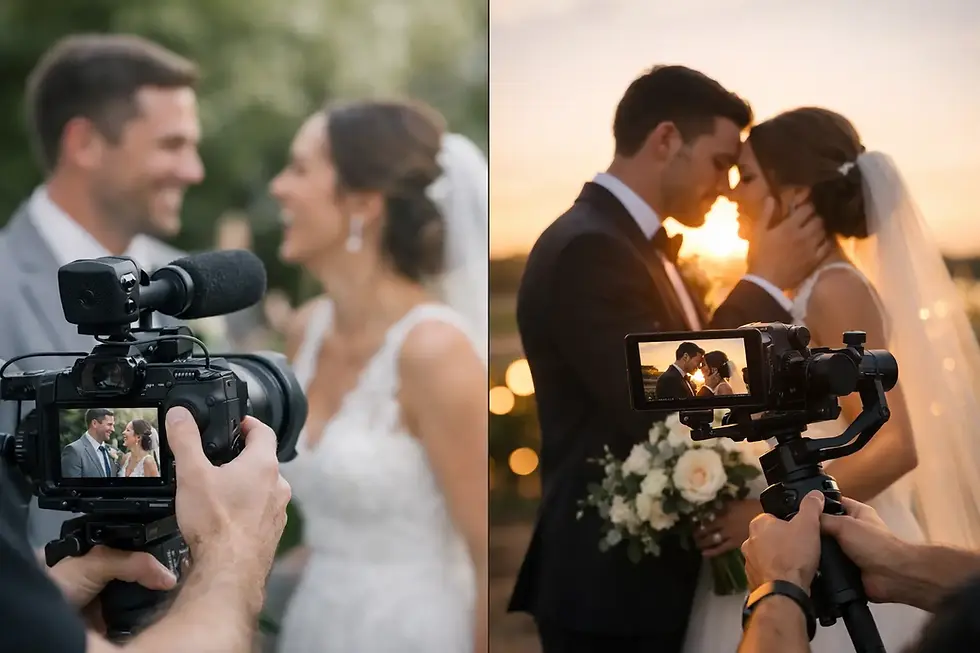
Cinematic wedding videographer capturing emotional moment during ceremony

Cinematic wedding videography does more than show what happened. They bring you back into it - the breath before the ceremony, the way your partner looked at you during the vows, the energy in the room when speeches turned unexpectedly emotional. That is why cinematic wedding videography matters to so many couples. It is not about making a wedding day look staged or dramatic for the sake of style. It is about telling the story of the day with care, movement, sound, pacing, and emotion.


For couples planning a wedding, cinematic wedding videography can sound appealing, but also a little vague; not every film feels cinematic in the same way. If you are comparing studios, it helps to understand what the term actually means, what separates it from basic event coverage, and what kind of experience creates a film you will still want to watch years from now.


Cinematic Wedding Videography: What It Really Includes


At its core, cinematic wedding videography is a storytelling approach. Instead of simply recording events in order, the filmmaker captures moments with intention and then shapes them into a film that feels immersive, emotional, and polished.

That usually starts with how the day is filmed. Camera movement is more deliberate. Framing is more thoughtful. Light, composition, and sound are treated as part of the story rather than technical details. A quiet shot of your dress in the window, your father waiting before the first look, or your guests reacting during the ceremony can carry as much weight as the major milestones.


The edit is where that footage becomes a film. Music selection, pacing, audio from vows and toasts, and the rhythm of the story all matter. A cinematic wedding film is not only about beautiful visuals. It also uses the voices, reactions, and atmosphere of the day to create a complete emotional memory.


Understanding cinematic wedding videography helps couples choose a film style that feels both emotional and authentic.

Cinematic wedding videography vs traditional wedding video


Traditional wedding video often focuses on documenting the day in a straightforward way. It may include longer clips of the ceremony, speeches, entrances, and formal dances with minimal shaping beyond clean editing. There is value in that. Many couples want a full record of what happened, especially for moments they may miss in real time.


Cinematic wedding videography takes a different approach. It still documents the important events, but it builds a stronger emotional arc. Instead of presenting the day exactly as it unfolded from start to finish, it highlights the feeling of the experience. The result is often a shorter highlight film paired with longer edits of key parts of the day.


Neither approach is automatically better for every couple. It depends on what you want to relive. If your priority is a simple archival record, a basic documentary style may feel sufficient. If you want your wedding film to feel layered, expressive, and deeply personal, cinematic storytelling usually offers more.


For couples planning weddings in New Jersey, cinematic wedding videography has become one of the most requested styles for preserving the full experience of the day.

What makes a wedding film feel cinematic


The word cinematic gets attached to gear, trends, and editing styles, but the feeling comes from something more consistent: intention.


A cinematic film usually has visual depth. That can come from strong lighting, clean composition, and movement that feels natural rather than distracting. It also has emotional depth. The strongest films are built around real audio, real reactions, and moments that could never be recreated in the same way.


This is why sound matters so much. Clear vows, heartfelt speeches, laughter during bridal prep, and ambient audio from the ceremony all help a film feel alive. Without that, even beautiful footage can feel distant.


Pacing matters too. Some weddings call for an energetic edit with quick transitions and a celebratory feel. Others are better served by a quieter rhythm that gives emotional moments room to breathe. A skilled wedding filmmaker understands that cinematic does not mean identical from one wedding to the next.

Why experience matters more than trends


Wedding days move quickly. Lighting changes. Timelines shift. Weather turns. A church ceremony, a ballroom reception, and a waterfront portrait session all create different filming conditions, often within a single day. Cinematic wedding videography depends on being able to adapt without interrupting the event.

That is where experience makes a real difference. An experienced videographer knows how to anticipate moments before they happen, work around venue limitations, capture clean audio in unpredictable spaces, and stay calm when the schedule changes. Those skills protect the story of the day.


This is especially important for full-day coverage. The emotional thread of a wedding does not begin at the ceremony or end after the first dance. It starts during preparations and continues through the reception, often in quieter moments couples do not even realize are being captured. Studios with years of wedding experience understand how to connect those pieces into one complete film.

The role of authenticity in cinematic storytelling


Some couples hear the word cinematic and worry that it means overly posed footage or a film that looks beautiful but does not feel like them. In practice, the best cinematic wedding films are grounded in authenticity.


That means the camera is attentive, not intrusive. It means direction is used when helpful, especially during portraits, but the goal is still to capture genuine interaction. A small prompt can create natural movement and connection. Too much staging can flatten the emotion.


Authenticity also comes from what gets included. The sound of your vows. A speech that says something unexpected. A parent fixing a tie with shaking hands. A quick glance across the dance floor. These are not filler shots. They are often the moments that give a wedding film its emotional weight.

How to know if a videographer's style fits your wedding


When couples search for cinematic wedding videography, they are often trying to answer a more personal question: will this filmmaker capture our day in a way that feels right to us?


The best way to tell is to watch full examples, not only short highlight reels. A strong teaser can show beautiful shots, but a complete body of work reveals much more. You can see how the filmmaker handles ceremony audio, speeches, transitions, pacing, and coverage across an entire wedding day.


As you watch, pay attention to what stays with you. Do the films feel emotional without becoming overly dramatic? Do couples look comfortable on camera? Can you hear and understand the important spoken moments? Does the filmmaker capture both the big events and the in-between reactions that make a wedding feel personal?


It also helps to ask practical questions. Will there be coverage from preparations through the reception? How are vows and speeches recorded? What films are delivered, and what is the balance between highlight edits and long-form coverage? Cinematic quality is not only about aesthetics. It is also about whether the final collection truly preserves your day.

Why venue and timeline planning affect the final film


Even the most talented filmmaker benefits from a timeline that allows moments to unfold naturally. If the schedule is rushed from start to finish, there is less room to capture the kind of visual and emotional texture that gives a wedding film depth.


This does not mean your day needs to be built around the video team. It means thoughtful planning helps everyone. A little extra time for getting ready footage, a first look, sunset portraits, or room details can have a big effect on the final film.


So can clear communication with your planner, photographer, and videographer.


Venue style matters too. Estate venues, churches, country clubs, and waterfront settings all offer different visual opportunities and different filming challenges. An experienced studio knows how to adapt its approach to each space while keeping the film cohesive. That is one reason many couples look for a team with a long track record across a wide range of venues.

A wedding film should feel like your day, not someone else's


Trends come and go. Audio styles change. Editing preferences shift. What lasts is a film that still feels honest when you watch it years later.


That is why the best cinematic wedding videography is never just about style. It is about preservation with intention. It gives your memories shape, but it does not replace them with something artificial. It captures what the day looked like, what it sounded like, and most importantly, what it felt like.


For couples who want both beauty and substance, that balance matters. A polished film is valuable, but a meaningful one is unforgettable. If you are choosing a wedding videographer, look for the team that understands both sides of that equation and treats your story with the care it deserves.


Years from now, the details you forgot may become the moments you treasure most. A well-made wedding film gives those moments a place to live.


If you're looking for cinematic wedding videography in New Jersey, you can explore real wedding films and coverage from Blue Moon Video Productions.
Comparison of documentary vs cinematic wedding video styles showing real moments and cinematic shots

Documentary vs Cinematic Wedding Video: What Couples Need to Know


The difference between a documentary vs cinematic wedding video usually becomes clear the moment couples picture how they want to remember their day. Some want to hear the full vows, the complete speeches, and the natural rhythm of the celebration exactly as it happened. Others picture a beautifully edited film with dramatic visuals, carefully chosen music, and a story that feels as polished as it is emotional. Both approaches can be meaningful. The right choice depends on what you want to relive years from now.

Documentary vs cinematic wedding video: what changes?


At the simplest level, a documentary wedding video focuses on preserving real events in a more complete and chronological way. A cinematic wedding video shapes the footage into a more stylized film experience. That sounds straightforward, but in practice, the difference affects everything from filming style to editing pace to what moments receive the most attention.


A documentary approach is built around coverage. The goal is to record the wedding day faithfully, with strong attention to live audio and full moments. That often includes the complete ceremony, full speeches, and longer stretches of real-time action. The finished film may feel less polished in a Hollywood sense, but it gives you something many couples value deeply later on - a true record of what happened and what was said.


A cinematic approach is built around storytelling. Instead of presenting the day as a full record, it selects the strongest visuals, emotions, and sounds and shapes them into a shorter, more artistic film. Music, pacing, composition, color, and transitions all play a larger role. The result often feels immersive and emotional, with the wedding day presented through a crafted narrative rather than simple chronology.


Neither style is automatically better. They answer different questions. One asks, "How do we preserve the day?" The other asks, "How do we tell the story of the day?"

What a documentary wedding video feels like


A documentary wedding film tends to feel honest, direct, and complete. It often follows the actual sequence of the wedding day, allowing moments to unfold with minimal interference. If your father gave a heartfelt eight-minute toast, you will likely be able to watch all eight minutes. If your ceremony included meaningful readings, personal vows, or cultural traditions, those are usually preserved in full.

For many couples, this style becomes more valuable over time. Right after the wedding, a highlight film may be what gets shared with family and friends. Ten years later, couples often want to hear voices clearly, see loved ones as they were, and revisit full interactions that passed quickly in real life.


Documentary coverage can also be especially important for weddings with strong family traditions, religious ceremonies, or relatives traveling from far away. In those cases, the wedding is not only an event. It is a family record.


That said, documentary does not mean unprofessional or visually plain. Experienced filmmakers still use thoughtful camera placement, clean audio capture, and polished editing. The difference is that the editing usually serves clarity and continuity more than style.

What a cinematic wedding video feels like


A cinematic wedding film is designed to make you feel the day as much as remember it. It often uses carefully framed shots, movement, music, and layered audio from vows or speeches to create a strong emotional arc. Instead of showing everything, it focuses on the moments that best express the atmosphere and meaning of the day.


This style works beautifully for couples who want their wedding film to feel elevated and artful. The anticipation while getting ready, the way the light moved across the venue, the reaction during a first look, the energy of the dance floor - these moments can be shaped into a film that feels timeless and expressive.


Cinematic editing also tends to be tighter. A five-minute or eight-minute highlight film may carry the emotional weight of a twelve-hour wedding day because the strongest visuals and audio are carefully chosen and arranged. Done well, it feels natural rather than staged.


The trade-off is that not every moment appears in full. You may hear the most meaningful lines from the vows and speeches, but not necessarily every word. If you care most about reliving the atmosphere and emotion, that can be exactly right. If you want complete documentation, it may leave out parts you wish had been preserved in full.

The biggest decision is not style. It is memory.


When couples compare styles, they often start by asking what looks better. A more useful question is what kind of memory they want to keep.


If you know you will want to sit down with family and watch the ceremony exactly as it happened, documentary coverage matters. If hearing every speech in full feels essential, documentary coverage matters. If your wedding includes traditions that deserve complete preservation, documentary coverage matters.


If you want a film that captures the feeling of the day in a visually powerful way, cinematic storytelling may be the better fit. If you imagine sharing a beautifully edited highlight film with friends and revisiting it on anniversaries, cinematic may suit you naturally.


For most couples, the answer is not purely one or the other. It is a combination.


Many couples searching for a New Jersey wedding videographer end up choosing a blend of documentary and cinematic wedding video styles.

Documentary vs cinematic wedding video for real weddings


In real wedding coverage, the strongest approach is often a blend of both styles. A wedding day has moments that need full preservation and moments that benefit from artistic storytelling. The vows, speeches, and formal events usually deserve strong documentary treatment. The in-between moments - a quiet exchange during portraits, the energy of cocktail hour, the texture of the venue at sunset - often shine in a cinematic film.


That balance is where experienced videography teams bring the most value. They know when to step back and let the day unfold naturally, and when to create the kind of visuals that give the final film shape and emotion.


For example, at a large New Jersey estate wedding, the scale of the venue and the elegance of the setting may lend themselves beautifully to cinematic visuals. At the same time, the ceremony in a family church and the reception toasts may be the moments your family wants preserved in full. The best coverage does not force the whole day into one category. It respects what each moment needs.


That is why many couples look for both a highlight film and a longer-form wedding movie. One gives you the emotional story in a concise, polished format. The other preserves the details that would be difficult to replace.

How to choose the right fit for your wedding


Start by thinking less about trends and more about your priorities. Ask yourselves what you would regret not having.


If missing full audio from the ceremony or speeches would bother you, do not rely only on a short cinematic edit. If you love the idea of a film that feels refined, emotional, and visually dramatic, do not choose coverage that only delivers raw chronological footage.


It also helps to consider your wedding itself. A shorter celebration with a simple timeline may work beautifully with a cinematic focus. A wedding with multiple locations, religious traditions, or a reception full of meaningful speeches may benefit from broader documentary coverage.


When you speak with a videographer, ask to see both highlight films and longer-form edits. A polished trailer tells you one thing. A full ceremony or complete wedding film tells you something equally important about sound quality, consistency, and how well the team handles real moments.


This is also where experience matters. A skilled wedding filmmaker knows how to capture authentic moments without making the day feel like a production. They understand pacing, lighting, audio, and timing, but they also understand people.

That balance is what allows a film to feel natural and polished at the same time.


At Blue Moon Video Productions, that balance is central to how wedding stories are preserved - not just as beautiful images, but as real memories couples can return to for years.

There is no wrong answer, only the right one for you


Some couples want a wedding film that plays like a beautifully crafted short movie. Others want complete coverage that keeps every important word intact. Most want both the emotion and the record.


If you are choosing between documentary and cinematic, the best decision usually comes from imagining a quiet night years from now. Picture what you want to press play on. If you want to feel the day all over again, cinematic storytelling may lead the way. If you want to hear every promise, laugh, and toast exactly as it happened, documentary coverage may matter more. And if you want both, that is often the strongest choice of all.


Your wedding happens once. The film should give you a way to return to it that still feels true when the flowers are gone, the music has ended, and the day has become part of your family history.


Understanding documentary vs cinematic wedding video options helps couples choose the right coverage for their wedding day.


If you're planning a wedding in New Jersey and want a balance of documentary coverage and cinematic storytelling, you can explore full wedding films from Blue Moon Video Productions.

Bride and groom watching wedding video together emotional moment

You will probably remember how your wedding looked. What surprises many couples is how much they miss hearing it. The pause before the vows. A parent’s voice during a toast. The laughter during the reception that never shows up the same way in a still image. If you are asking is wedding videography worth it, the real question is usually whether those living, moving parts of the day matter enough to preserve.


For many couples, it does.. Not because wedding video is a trend, but because a wedding day moves fast and disappears even faster. A professional film gives you a way to revisit the emotion, sound, and rhythm of the day in a way photography alone cannot.

Is wedding videography worth it for every wedding?


Not automatically. Wedding videography is valuable, but it is not one-size-fits-all. The answer depends on what you care about most, how you want to remember the day, and how your budget is prioritized.


If your top goal is to preserve atmosphere and emotion, video usually feels worthwhile long after the wedding is over. If you mainly want a clean visual record and are comfortable relying on photographs and memory, you may feel less urgency about it. There is no wrong answer. The key is understanding what video actually gives you before you decide.


A lot of couples first see videography as an optional extra. Then they imagine not hearing their vows again, not seeing grandparents moving through the day, or not being able to rewatch the speeches. That is often the moment the value becomes more concrete.

What wedding videography captures that photos cannot


Photography and videography work best together because they preserve different parts of the same story. Great photos can freeze a moment beautifully. Great video lets that moment unfold.


Think about the ceremony. A photograph can capture the expression on your face when the doors open. Video captures the walk, the music, the reaction from your partner, and the sound in the room. During the reception, a still image might preserve a toast at its emotional peak. Video lets you hear the full speech, the room’s response, and the little reactions at your table.


That difference becomes more meaningful over time. Years later, couples often say the voices matter most. The way a parent sounded. The exact words in the vows. The laughter during getting ready. These are details memory softens over time, and video preserves them with clarity.


A strong wedding film also gives context. It connects the quiet moments, the high-energy moments, and the in-between moments into a complete story. That is especially valuable for a full wedding day, where so much happens at once and the couple cannot be everywhere.

The emotional value tends to grow after the wedding


One reason couples hesitate is simple - wedding videography is hardest to appreciate before you have it. In the middle of planning, it can feel abstract compared with flowers, food, or attire. Those are immediate decisions. Video is about future value.


But once the day has passed, the film often becomes one of the few parts of the wedding that actually increases in meaning. The dress is stored. The flowers are gone. The timeline is over. Your film becomes the closest thing to returning to the day itself.


This is especially true when family dynamics shift over time. Loved ones age. Voices change. Some people who were present on your wedding day may not be there years later. Having them preserved in motion and sound carries a kind of weight that is hard to measure in a budget spreadsheet.


That does not mean every couple needs an elaborate production. It means the emotional return on video is often underestimated at the planning stage.

When wedding videography may be especially worth it


Some weddings naturally benefit even more from professional video coverage. If your ceremony is highly personal, if you have meaningful speeches planned, or if family is traveling in from different places, video becomes a stronger investment.

It is also especially valuable for larger weddings. On a busy wedding day, there are many moments the couple does not fully see - guest reactions, cocktail hour interactions, dance floor energy, and small family exchanges happening across the venue. A video team can document those layers in a way that helps you experience more of your own day afterward.


Venue style can matter too. In New Jersey, many weddings take place at estates, country clubs, churches, and waterfront venues where the setting contributes heavily to the atmosphere. Video captures movement, architecture, weather, and light in a way that helps the location feel alive again.


And if you know you are a sentimental couple, that is worth listening to. Some people revisit family videos often. Some do not. If you already value motion, sound, and storytelling, wedding videography is usually a natural fit.

The budget question couples really wrestle with


For most couples, this decision comes down to value, not just cost. Wedding videography is an added investment, and it should be weighed honestly against the rest of your priorities.


The practical question is not whether video is expensive in isolation. It is whether it gives you a return that matters more than another upgrade in your wedding budget. Would you remember the upgraded linens five years from now? Maybe not. Would you rewatch your vows, speeches, and first dance? Many couples do.

Still, trade-offs are real. If adding videography means cutting into something deeply important to you, the answer may be different. Some couples would rather keep the guest list intact or spend more on live music. Others feel strongly about preserving the day on film and are willing to scale back decor or favors to make room for it.


This is where package structure matters. Full-day coverage, highlight films, ceremony edits, and long-form wedding movies all offer different levels of documentation. You do not always need the biggest package to get lasting value, but you do want enough coverage to tell the story well.

How to tell if a professional videographer is worth it


If you decide you want video, quality matters. A wedding videographer is not just recording events. They are managing lighting changes, audio capture, timing, movement, and storytelling in real time, all while working around a live event that does not pause for second takes.


That is why experience is so important. A seasoned wedding videographer knows how to capture vows clearly in a church, adapt to changing outdoor light at a waterfront venue, and move discreetly during emotional moments without interrupting them. Audio is a major part of this. Beautiful visuals matter, but poor sound can weaken the final film quickly.


Editing also shapes the experience. A well-crafted highlight film should feel cinematic and emotionally true, not overproduced or disconnected from the actual day. Long-form edits have their own value too, especially for couples who want to relive the ceremony and speeches in full rather than only through short clips.


If you are comparing options, look beyond equipment lists. Pay attention to whether the work feels emotionally grounded, whether people look comfortable on camera, and whether the story feels complete. That is often the difference between a video you appreciate and one you return to for years.

So, is wedding videography worth it?


For couples who want to remember not only how the wedding looked but how it felt, the answer is often yes. The ability to hear the vows, see the movement, and revisit the real atmosphere of the day gives wedding videography lasting value that is difficult to replace.


That said, it is worth it when the coverage matches your priorities and when the team behind it knows how to tell the story with care. A rushed or inexperienced approach can leave important moments under-captured. A thoughtful, professional one can preserve the day in a way that still feels powerful decades later.


At Blue Moon Video Productions, we have seen how often couples come back to the moments they almost thought they could skip - the spoken words, the reactions, the emotion between the big events. If you are weighing the decision now, try to picture the version of your wedding memories you will want to hold onto when the planning is long behind you. That answer usually tells you more than the budget line ever will.


The best wedding investments are not always the ones that stand out most on the day itself. Sometimes they are the ones that let you return to it, clearly and completely, for years to come.. Sometimes they are the ones that let you return to it, clearly and completely, for the rest of your life.


If you're still deciding whether wedding videography is worth it for your day, you can explore real wedding films from Blue Moon Video Productions to see how these moments are captured and preserved.

bottom of page