top of page
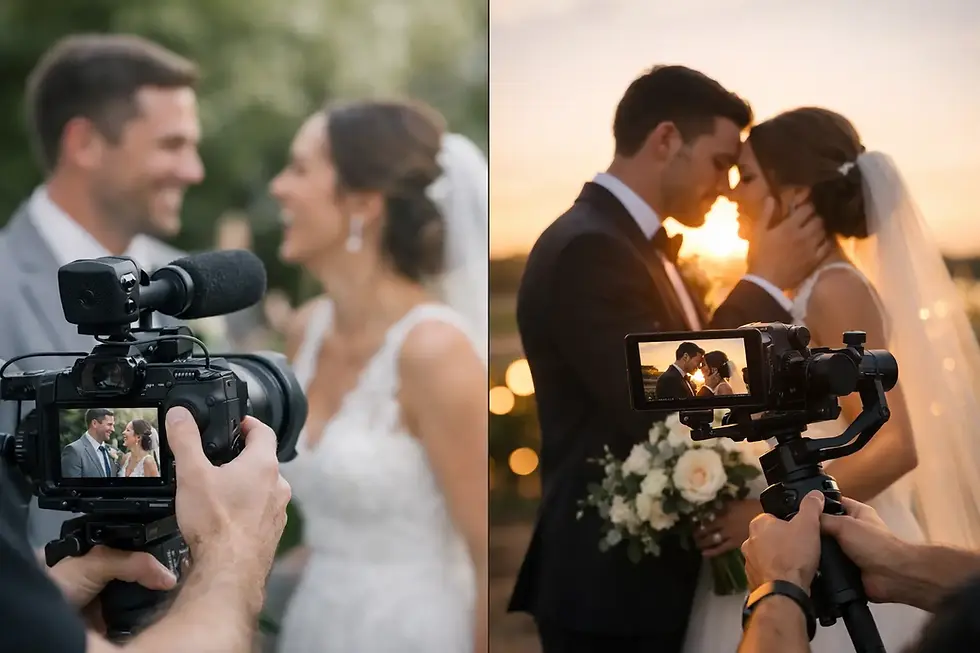
how cinematic wedding films differ showing emotional wedding film moment with couple

How Cinematic Wedding Films Differ in Storytelling and Emotion


When couples ask how cinematic wedding films differ, they are usually trying to understand what makes one wedding film feel emotional and immersive while another simply documents the day.


You can usually tell within the first minute. One wedding video simply records what happened. A cinematic film makes you feel like you are back in the room, hearing the tremble in the vows, seeing the quick look between the couple, and remembering the pace and emotion of the day. That is the heart of how cinematic wedding films differ. It is not just a style choice. It changes what the finished film feels like years later.


For many couples, the comparison starts with visuals. A cinematic film often looks more polished, more intentional, and more emotionally driven. But the real difference goes deeper than color, slow motion, or music. It comes down to storytelling, sound, pacing, and the ability to preserve not only the events of the day but the experience of living through them.

How Cinematic Wedding Films Differ From Standard Wedding Videos


A standard wedding video typically focuses on documentation. It captures the ceremony, key reception moments, and formal events in a straightforward way. That approach has value. If your main goal is simply to have a record of the day from beginning to end, traditional coverage can do that well.


A cinematic wedding film is shaped with a different goal. Instead of only showing what happened in order, it is edited to tell the emotional story of the wedding day. The film is built around meaningful moments like personal vows, speeches, reactions, anticipation before the ceremony, and the energy of the celebration. Those moments are carefully selected and woven together so the final piece feels cohesive and personal rather than purely chronological.


That does not mean cinematic coverage ignores the important events. It means those events are presented with more intention. The ceremony is not just shown. It is framed as part of a bigger story. The toasts are not just included. The strongest lines may guide the film from one part of the day to another, helping the story unfold naturally.

The Difference Is Storytelling, Not Just Style


One of the biggest misunderstandings is that cinematic means dramatic visuals only. In reality, storytelling is what separates a cinematic wedding film from a basic recording.


A strong wedding filmmaker looks for the details that make your day yours. That could be a letter read in the bridal suite, a father's expression before the ceremony, a quiet exchange during portraits, or the way your guests respond to the vows. These are not filler shots. They are part of the emotional structure of the film.


The editing process matters just as much as what is captured. In a cinematic film, scenes are chosen and arranged to create rhythm and meaning. You may hear audio from the vows over footage from getting ready, or a line from a speech may introduce a sequence from the reception. This approach gives the film emotional continuity. Instead of watching a series of clips, you are drawn into a complete memory.


That is why two films from the same venue can feel completely different. The setting matters, but the story comes from the people, the voices, and the moments that happen naturally throughout the day.

Audio Plays a Much Bigger Role Than Most Couples Expect


If you ask what makes a wedding film truly moving, audio is usually a big part of the answer. Clean, well-recorded sound changes everything.


In a cinematic wedding film, spoken words often carry the emotional weight. Personal vows, ceremony readings, speeches, and candid remarks become part of the storytelling. When those moments are recorded clearly and blended thoughtfully with music and natural sound, the film feels immediate and real.


This is one reason cinematic wedding filmmaking requires more than a good camera. It depends on professional audio techniques, careful mic placement, and experience adapting to unpredictable environments like churches, ballrooms, waterfront venues, and outdoor ceremonies.


Couples sometimes focus first on image quality because it is easier to compare online. But years from now, hearing your voices as they were that day can be just as meaningful as seeing the footage.

Pacing and Editing Shape the Experience


Another way cinematic wedding films differ is in pacing. A standard video may present events in full with minimal shaping. A cinematic film is edited to create momentum, emotion, and balance.


That often means the finished highlight film is shorter than the total footage captured, but more powerful because every scene earns its place. The goal is not to include everything equally. The goal is to include what tells the story best.


There is a trade-off here, and it is worth understanding. Some couples want a condensed film that feels like a beautifully crafted memory. Others also want a longer edit that preserves more of the full ceremony or reception events. Those preferences are not in conflict. In many cases, the best solution is to have both a cinematic highlight film and a longer-form wedding movie. One gives you the emotional arc. The other gives you the fuller record.


That balance is especially valuable for couples who want to relive the vows, full speeches, and major moments without losing the artistry of a more polished film.

Cinematic Coverage Starts Long Before the Editing Room


The final film is shaped in editing, but the cinematic approach starts the moment coverage begins. Filmmakers working in this style are not only documenting events. They are anticipating moments.


That includes how they move through the day, how they frame scenes, and how they capture transitions between big events. The quiet minutes before the ceremony, the atmosphere of the venue, the details that set the scene, and the reactions happening at the edges of the room all become part of the story.


Experience matters here. Weddings move quickly, and there are no second takes for the first look, the exchange of rings, or a parent wiping away tears during a speech. An experienced team knows when to stay unobtrusive and when to move decisively to capture a meaningful angle.


This is especially important at venues with different lighting and layouts. A church ceremony, an estate wedding, and a waterfront reception each come with different challenges. A cinematic result depends not only on creativity but on consistent decision-making under pressure.

How Cinematic Wedding Films Differ in What They Preserve


At a practical level, both traditional and cinematic wedding videos preserve the day. The question is what kind of memory you want to keep.


A traditional video preserves the sequence of events. A cinematic wedding film preserves atmosphere, emotion, and perspective. It helps you remember not just that your partner smiled during the vows, but how that moment felt. It reminds you of voices, movement, anticipation, and the way the whole day unfolded around you.


For many couples, that difference becomes more meaningful over time. Right after the wedding, you may remember every detail clearly. Years later, the emotional texture of the day matters even more. Watching a film that captures those details with care can bring you back in a way a simple recording often cannot.


That said, cinematic does not always mean better for every couple in every situation. If your priority is a straightforward archive with minimal editing, a more traditional format may fit your goals. If you want a film that feels personal, polished, and emotionally rich, cinematic storytelling is usually the better choice.

What Couples Should Ask Before Booking


If you are comparing videographers, it helps to look past labels. Many wedding videos are described as cinematic, but the term can mean different things depending on the studio.


Ask how the story is built. Find out whether vows and speeches are used as part of the edit, whether audio is professionally recorded, and whether you will receive both a highlight film and longer-form coverage if that matters to you. Look at whether the films feel distinct from one wedding to the next or whether they follow the same formula every time.


It is also smart to ask how the videography team handles full-day coverage. A cinematic result is stronger when the filmmaker has enough time to capture the full emotional arc of the day, from preparation through the reception. Rushed coverage can limit the story.


Studios with long experience filming weddings, including teams like Blue Moon Video Productions, understand that the best films come from preparation, calm execution, and thoughtful editing. Couples feel that difference not only on the wedding day, but every time they press play afterward.


The best choice is the one that matches how you want to remember your wedding. If you want more than a record of events, and you want a film that lets you hear, see, and feel the day again, cinematic wedding filmmaking offers something far more lasting than footage alone.


Choosing a Cinematic Wedding Film


Cinematic wedding films offer more than just a record of your day. They preserve the emotion, pacing, and real moments that make your wedding meaningful over time.

If you're planning a wedding in New Jersey, you can see how cinematic storytelling comes together in real wedding films here:👉 https://www.bluemoonvideoproductions.com/wedding-films-nj

Comparison of documentary vs cinematic wedding video styles showing real moments and cinematic shots

Documentary vs Cinematic Wedding Video: What Couples Need to Know


The difference between a documentary vs cinematic wedding video usually becomes clear the moment couples picture how they want to remember their day. Some want to hear the full vows, the complete speeches, and the natural rhythm of the celebration exactly as it happened. Others picture a beautifully edited film with dramatic visuals, carefully chosen music, and a story that feels as polished as it is emotional. Both approaches can be meaningful. The right choice depends on what you want to relive years from now.

Documentary vs cinematic wedding video: what changes?


At the simplest level, a documentary wedding video focuses on preserving real events in a more complete and chronological way. A cinematic wedding video shapes the footage into a more stylized film experience. That sounds straightforward, but in practice, the difference affects everything from filming style to editing pace to what moments receive the most attention.


A documentary approach is built around coverage. The goal is to record the wedding day faithfully, with strong attention to live audio and full moments. That often includes the complete ceremony, full speeches, and longer stretches of real-time action. The finished film may feel less polished in a Hollywood sense, but it gives you something many couples value deeply later on - a true record of what happened and what was said.


A cinematic approach is built around storytelling. Instead of presenting the day as a full record, it selects the strongest visuals, emotions, and sounds and shapes them into a shorter, more artistic film. Music, pacing, composition, color, and transitions all play a larger role. The result often feels immersive and emotional, with the wedding day presented through a crafted narrative rather than simple chronology.


Neither style is automatically better. They answer different questions. One asks, "How do we preserve the day?" The other asks, "How do we tell the story of the day?"

What a documentary wedding video feels like


A documentary wedding film tends to feel honest, direct, and complete. It often follows the actual sequence of the wedding day, allowing moments to unfold with minimal interference. If your father gave a heartfelt eight-minute toast, you will likely be able to watch all eight minutes. If your ceremony included meaningful readings, personal vows, or cultural traditions, those are usually preserved in full.

For many couples, this style becomes more valuable over time. Right after the wedding, a highlight film may be what gets shared with family and friends. Ten years later, couples often want to hear voices clearly, see loved ones as they were, and revisit full interactions that passed quickly in real life.


Documentary coverage can also be especially important for weddings with strong family traditions, religious ceremonies, or relatives traveling from far away. In those cases, the wedding is not only an event. It is a family record.


That said, documentary does not mean unprofessional or visually plain. Experienced filmmakers still use thoughtful camera placement, clean audio capture, and polished editing. The difference is that the editing usually serves clarity and continuity more than style.

What a cinematic wedding video feels like


A cinematic wedding film is designed to make you feel the day as much as remember it. It often uses carefully framed shots, movement, music, and layered audio from vows or speeches to create a strong emotional arc. Instead of showing everything, it focuses on the moments that best express the atmosphere and meaning of the day.


This style works beautifully for couples who want their wedding film to feel elevated and artful. The anticipation while getting ready, the way the light moved across the venue, the reaction during a first look, the energy of the dance floor - these moments can be shaped into a film that feels timeless and expressive.


Cinematic editing also tends to be tighter. A five-minute or eight-minute highlight film may carry the emotional weight of a twelve-hour wedding day because the strongest visuals and audio are carefully chosen and arranged. Done well, it feels natural rather than staged.


The trade-off is that not every moment appears in full. You may hear the most meaningful lines from the vows and speeches, but not necessarily every word. If you care most about reliving the atmosphere and emotion, that can be exactly right. If you want complete documentation, it may leave out parts you wish had been preserved in full.

The biggest decision is not style. It is memory.


When couples compare styles, they often start by asking what looks better. A more useful question is what kind of memory they want to keep.


If you know you will want to sit down with family and watch the ceremony exactly as it happened, documentary coverage matters. If hearing every speech in full feels essential, documentary coverage matters. If your wedding includes traditions that deserve complete preservation, documentary coverage matters.


If you want a film that captures the feeling of the day in a visually powerful way, cinematic storytelling may be the better fit. If you imagine sharing a beautifully edited highlight film with friends and revisiting it on anniversaries, cinematic may suit you naturally.


For most couples, the answer is not purely one or the other. It is a combination.


Many couples searching for a New Jersey wedding videographer end up choosing a blend of documentary and cinematic wedding video styles.

Documentary vs cinematic wedding video for real weddings


In real wedding coverage, the strongest approach is often a blend of both styles. A wedding day has moments that need full preservation and moments that benefit from artistic storytelling. The vows, speeches, and formal events usually deserve strong documentary treatment. The in-between moments - a quiet exchange during portraits, the energy of cocktail hour, the texture of the venue at sunset - often shine in a cinematic film.


That balance is where experienced videography teams bring the most value. They know when to step back and let the day unfold naturally, and when to create the kind of visuals that give the final film shape and emotion.


For example, at a large New Jersey estate wedding, the scale of the venue and the elegance of the setting may lend themselves beautifully to cinematic visuals. At the same time, the ceremony in a family church and the reception toasts may be the moments your family wants preserved in full. The best coverage does not force the whole day into one category. It respects what each moment needs.


That is why many couples look for both a highlight film and a longer-form wedding movie. One gives you the emotional story in a concise, polished format. The other preserves the details that would be difficult to replace.

How to choose the right fit for your wedding


Start by thinking less about trends and more about your priorities. Ask yourselves what you would regret not having.


If missing full audio from the ceremony or speeches would bother you, do not rely only on a short cinematic edit. If you love the idea of a film that feels refined, emotional, and visually dramatic, do not choose coverage that only delivers raw chronological footage.


It also helps to consider your wedding itself. A shorter celebration with a simple timeline may work beautifully with a cinematic focus. A wedding with multiple locations, religious traditions, or a reception full of meaningful speeches may benefit from broader documentary coverage.


When you speak with a videographer, ask to see both highlight films and longer-form edits. A polished trailer tells you one thing. A full ceremony or complete wedding film tells you something equally important about sound quality, consistency, and how well the team handles real moments.


This is also where experience matters. A skilled wedding filmmaker knows how to capture authentic moments without making the day feel like a production. They understand pacing, lighting, audio, and timing, but they also understand people.

That balance is what allows a film to feel natural and polished at the same time.


At Blue Moon Video Productions, that balance is central to how wedding stories are preserved - not just as beautiful images, but as real memories couples can return to for years.

There is no wrong answer, only the right one for you


Some couples want a wedding film that plays like a beautifully crafted short movie. Others want complete coverage that keeps every important word intact. Most want both the emotion and the record.


If you are choosing between documentary and cinematic, the best decision usually comes from imagining a quiet night years from now. Picture what you want to press play on. If you want to feel the day all over again, cinematic storytelling may lead the way. If you want to hear every promise, laugh, and toast exactly as it happened, documentary coverage may matter more. And if you want both, that is often the strongest choice of all.


Your wedding happens once. The film should give you a way to return to it that still feels true when the flowers are gone, the music has ended, and the day has become part of your family history.


Understanding documentary vs cinematic wedding video options helps couples choose the right coverage for their wedding day.


If you're planning a wedding in New Jersey and want a balance of documentary coverage and cinematic storytelling, you can explore full wedding films from Blue Moon Video Productions.
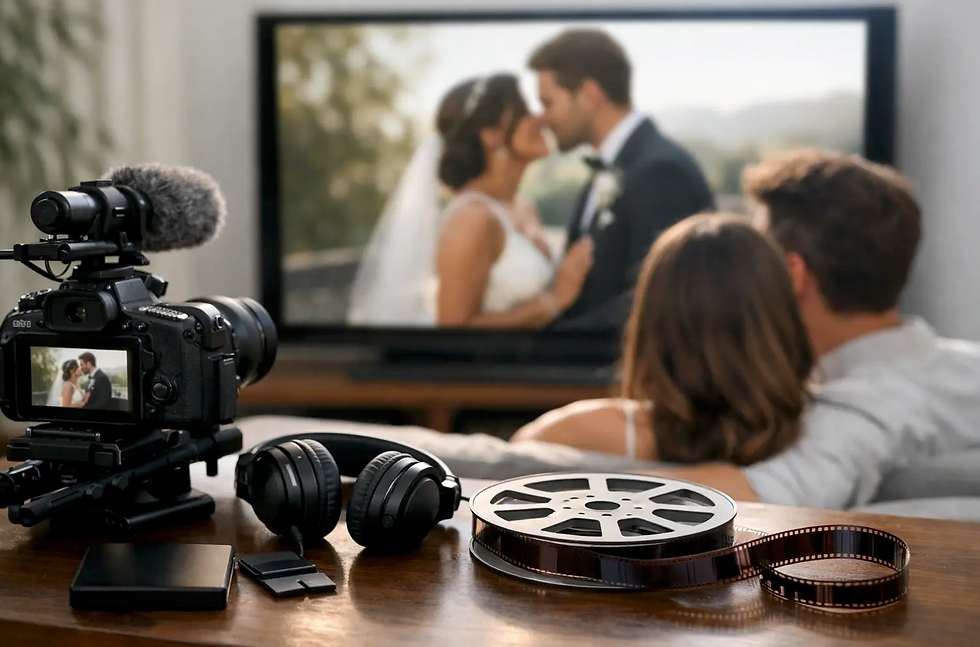
Feature length wedding film capturing bride and groom during ceremony with emotional vows and full wedding day coverage

Is a Feature Length Wedding Film Worth It Compared to a Highlight Video?


A lot of couples first ask for a short highlight reel, then realize they also want the parts that actually made the day feel real. The full exchange of vows. The complete toasts. A parent’s voice during a speech. The quiet moments before the ceremony.


That is where a feature length wedding film becomes so meaningful. It is not just a recap of the day. It is the day, carefully shaped into a film you can return to for years.

What a feature length wedding film really includes


A feature length wedding film is a longer-form edit that preserves the story of your wedding with far more depth than a three-to-five-minute highlight video. While every studio structures it a little differently, the goal is usually the same: to document the full emotional experience, not just the most visually striking clips.


That often means including substantial portions of the day rather than brief excerpts. You may see the morning preparations unfold with natural audio, the ceremony covered in a complete and watchable way, and the speeches presented with room to breathe. Instead of hearing one line from a toast, you hear the full memory, joke, or thank you that mattered in the room.


For many couples, that difference only becomes obvious after the wedding. A highlight film is powerful and cinematic, but it is selective by design. A longer film gives those moments context. You understand how the day moved, how people responded, and what was actually said.

Why couples choose a feature length wedding film


The simplest answer is that they do not want to lose the parts of the wedding that cannot be recreated.


Flowers, food, and decor are all part of the experience, but spoken words carry a different kind of weight. Vows are one-time promises. Parent speeches often become more emotional with time. The laughter at a reception entrance or the tremble in someone’s voice during a reading may feel small in the moment, but years later, those details can mean everything.


A feature length wedding film also gives space to people. Not just the couple, but the family and friends who shaped the day. Grandparents, siblings, and lifelong friends are seen and heard in a fuller way. That matters more as time passes.


This is especially true for weddings with meaningful ceremony traditions, multiple speech segments, or a strong focus on family. At estate venues, churches, country clubs, and waterfront celebrations throughout New Jersey, we often see couples put tremendous thought into the flow of the day. A longer film respects that effort because it preserves more than the surface of the event.

Highlight film vs. feature length wedding film


A highlight film and a feature length wedding film serve different purposes. One is not automatically better than the other. It depends on how you want to remember your wedding.


A highlight film is designed to be concise, emotional, and visually driven. It is the film you are likely to share easily with friends and family. It captures the essence of the day in a polished, cinematic way.


A feature length wedding film is more immersive. It allows you to sit with the full story and revisit the day with greater detail. You are not just remembering how it looked. You are remembering how it sounded, how it unfolded, and how the people around you experienced it.


Many couples choose both for that reason. The short film gives them a beautifully edited overview they can watch often and share widely. The longer film becomes the keepsake they return to on anniversaries, with family, or at moments when they want to feel the day again in a deeper way.

What makes a long-form wedding film feel cinematic


Length alone does not make a wedding film valuable. A longer edit still needs structure, pacing, and thoughtful storytelling.


The best feature length wedding films do not feel like raw footage placed in sequence. They are professionally edited to keep the day coherent and emotionally engaging. That means clean audio, intentional scene transitions, balanced coverage of key events, and a rhythm that lets important moments play out without dragging.

This is where experience matters. A wedding filmmaker needs to know when to let a moment breathe and when to move the story forward. A complete ceremony is important, but it should still be presented clearly and beautifully. Full speeches matter, but they also need strong sound, strong camera coverage, and edits that maintain focus.


When long-form editing is done well, the film feels natural and polished. It holds your attention because it reflects the real flow of the day while still honoring cinematic storytelling.

When a feature length wedding film makes the most sense


Not every couple wants the same final product, and that is completely reasonable. If you prefer something brief and shareable, a highlight film may cover what matters most to you.


But a feature length wedding film is often the right choice when your wedding includes meaningful spoken moments, family traditions, or a timeline with several important chapters. If you are planning a church ceremony, a first look, extended portrait time, multiple toasts, special dances, or cultural traditions during the reception, a longer film gives those events room to exist in full.


It is also a strong fit for couples who know they are sentimental. Some people already understand that they will want to hear every word again. Others realize it after the wedding, when they notice how much of the day passed in a blur. The challenge is that you cannot go back and capture it later.


That is why many couples decide to preserve more from the start. It is easier to have the footage and not need every second of it than to wish those moments had been recorded more fully.

Questions to ask before booking


If you are considering a feature length wedding film, ask how the studio defines it. The term can vary. One company may mean a documentary-style edit with major events shown in near-full length. Another may create a more cinematic long-form film that blends complete moments with storytelling elements.


You should also ask what parts of the day are typically included. Find out whether full vows, complete speeches, first dances, and natural audio from preparation are part of the final edit. Audio quality is another major point. A long-form film depends heavily on clear sound, especially during ceremonies and toasts.


Finally, ask how the team approaches coverage on the wedding day. A feature length wedding film begins with filming, not editing. Strong camera placement, reliable audio capture, and full-day coverage make a major difference in the final result.


At Blue Moon Video Productions, this is where experience becomes practical, not just impressive on paper. After years of filming weddings, you learn how to anticipate moments before they happen and protect the pieces couples will care about most later.

The value years later


Right after the wedding, couples often focus on the excitement of seeing everything come together on screen. Years later, the reason they treasure the film usually changes.


They watch it to hear a loved one’s voice again. They notice reactions they missed the first time. They share it with children or relatives who were not there. The film becomes less about the event itself and more about the people, the promises, and the feeling of that particular season of life.


That is the real value of a feature length wedding film. It preserves not only the look of the day, but its pace, sound, and emotional texture. It gives you more than a beautiful summary. It gives you a way back.


If you are deciding between a short keepsake and a fuller record of your wedding day, think about what you will want to hear and see ten years from now. The answer is usually much more personal than practical, and that is exactly why it matters.

bottom of page