top of page
what does wedding videography include showing wedding ceremony and reception coverage

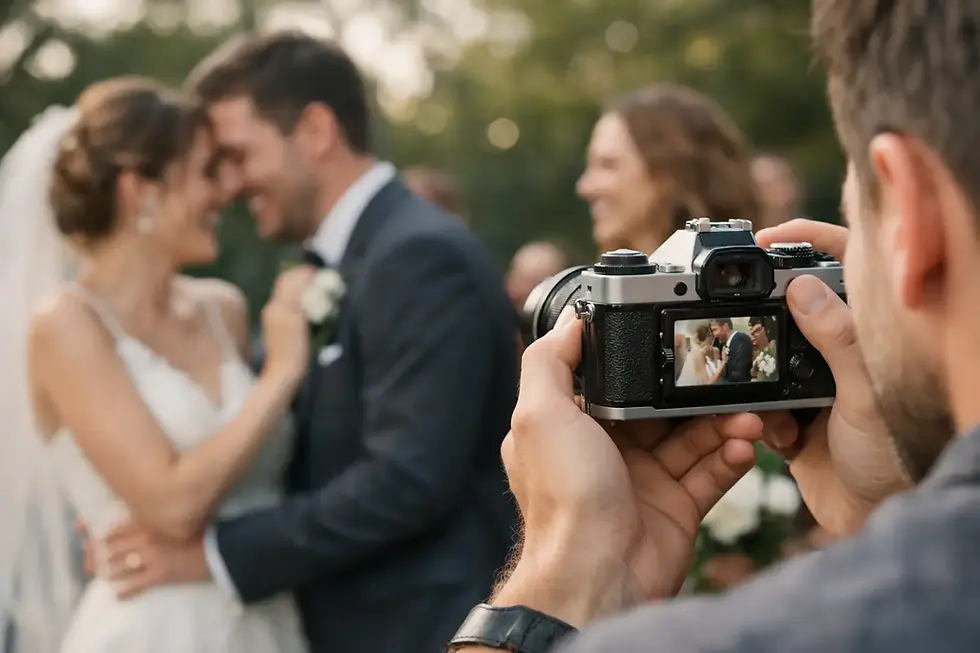
One couple asks for a short highlight film they can share with family. Another wants every vow, toast, and dance preserved in full. That is why the question what does wedding videography include is so important before you book. Wedding videography is not one standard product. It is a combination of coverage, storytelling, audio, editing, and delivery, and the details can shape how your wedding day is remembered.


For most couples, the real value of videography is not just seeing how the day looked. It is hearing the words, watching the reactions, and reliving moments that moved too quickly in real time. A strong wedding film captures the atmosphere, but it also preserves the parts of the day that photography alone cannot hold onto.

What does wedding videography include in a typical package?


Most professional wedding videography packages include day-of coverage, professionally recorded audio, edited films, and digital delivery. The exact number of hours, the number of videographers, and the style of the final edits can vary quite a bit, but those are the core pieces.


Coverage usually starts with preparations and continues through the most meaningful parts of the day. Depending on the package, that may include getting ready, first look, ceremony, family and wedding party footage, cocktail hour, reception entrances, first dance, parent dances, speeches, cake cutting, and open dancing. Some couples want only the major events documented. Others want full-day coverage so the story feels complete from beginning to end.


Editing is another major part of what you are paying for. The filming happens on the wedding day, but the final experience is shaped in post-production. That is where footage is organized, color corrected, audio is cleaned up, music is selected, and the story is built into a finished film that feels polished and emotionally true to the day.

Coverage of the wedding day itself


When couples ask what wedding videography includes, they often picture the ceremony first. The ceremony matters, of course, but a well-made wedding film usually starts earlier and carries through the reception because the emotional story builds over time.

Getting ready


Preparation footage often includes details like the dress, shoes, invitations, rings, flowers, and venue spaces before guests arrive. It also includes candid moments with family and the wedding party, final touch-ups, and the quiet anticipation before everything begins. These scenes help set the tone of the film and give context to the day.


For some couples, this part is essential. For others, it feels less important than the ceremony and reception. Neither choice is wrong. It depends on how complete you want the final story to feel.

First look and portraits


If you are planning a first look, videography often includes that moment along with portraits afterward. These scenes can be some of the most personal footage of the day because they are less formal and less rushed than the ceremony itself. Even if you are not doing a first look, portrait time can still provide beautiful footage of the two of you together in a more relaxed setting.

Ceremony coverage


This is the heart of most wedding films. Ceremony coverage typically includes guest arrival, processional, vows, ring exchange, first kiss, recessional, and wide and close-up angles of the key moments. Professional audio is especially important here because hearing your vows clearly can make all the difference years later.

In churches, country clubs, waterfront venues, and estate settings, the filming approach may shift based on lighting, sound conditions, and venue rules.


Experienced videographers know how to adapt without interrupting the flow of the ceremony.

Reception coverage


Reception footage usually includes room details, entrances, first dance, parent dances, toasts, cake cutting, and dance floor moments. If speeches matter to you, make sure they are recorded cleanly and included in the final deliverables. Many couples later find that the toasts become some of the most meaningful footage they have.


Not every package includes full reception coverage through the final song. Some end after the formalities, while others stay late to capture the energy of the party. If a packed dance floor and candid guest interactions are part of your vision, that is worth confirming early.

Audio is a bigger part of wedding videography than most couples expect


If video captures the look of the day, audio captures its meaning. One of the clearest answers to what does wedding videography include is professional sound recording of key moments. That usually means microphones or audio feeds for the officiant, vows, speeches, and sometimes live music.


Without strong audio, even beautiful footage can feel distant. With it, your film becomes much more personal. You hear the pause in your partner's voice during the vows, the laughter during a toast, and the room's reaction during a meaningful moment. Those details are what make a wedding film feel alive rather than simply decorative.


This is also where experience matters. Clean audio does not happen by accident, especially in large ballrooms, houses of worship, or outdoor spaces with wind and background noise. A professional team prepares for those variables and builds redundancy into the recording process whenever possible.

The edited films you receive


Wedding videography usually includes more than one finished video. The exact deliverables vary by studio, but most couples will see some combination of a highlight film and a longer edit of the day.

Highlight film


A highlight film is a shorter cinematic edit that brings together the strongest visual and emotional moments. It often uses portions of vows, speeches, or ambient sound layered with music to tell the story in a way that feels polished and easy to revisit. This is usually the film couples watch most often and share with friends and family.

Long-form wedding film


A longer film gives more room for the day to unfold. It may include extended ceremony footage, complete speeches, full dances, and a broader sense of the event as it happened. If your priority is preserving the real experience rather than only the most cinematic snippets, this part of the package matters.


For many couples, the ideal choice is not one or the other. It is both. The shorter film gives you something beautifully crafted and easy to rewatch, while the longer version preserves the moments in fuller detail.

What may or may not be included


This is where wedding videography becomes less universal. Some packages include one videographer, while others include two. A second videographer can make a meaningful difference, especially for larger weddings or separate getting-ready locations, because more can be covered at the same time and from more than one angle.


Drone footage may be included if the venue, weather, and airspace rules allow it. Raw footage is sometimes available, but not always. Extra hours, teaser films, social media edits, same-day edits, and documentary-style full ceremony or speech cuts may be add-ons rather than standard inclusions.


Turnaround time also varies. Some studios deliver quickly, while others take longer because of the editing workload and level of polish. Faster is not automatically better. The better question is whether the timeline is clear and reasonable.

How to compare packages without getting lost in the details


Start with the moments that matter most to you. If hearing your vows and speeches is non-negotiable, ask how audio is recorded and whether those events are included in full. If you care about the complete story, ask how many hours of coverage are included and when the team typically arrives and leaves.


Then look at the final films, not just the package names. One studio's highlight film may be three minutes. Another's may be ten. One long-form film may feel documentary and complete, while another may still be fairly condensed. The wording can sound similar even when the deliverables are not.


It also helps to ask how the videographer works on the wedding day. Couples often want cinematic results, but they also want a calm presence that blends naturally into the event. That balance matters. A great wedding videographer knows when to guide and when to quietly observe.

What does wedding videography include if you want the full story?


If your goal is to preserve not just the look of the day but the feeling of it, the best packages tend to include full-day coverage, clear professional audio, a cinematic highlight film, and a longer wedding movie with the key events presented more completely. That combination gives you both artistry and documentation.


Studios with long experience filming weddings, including teams like Blue Moon Video Productions, often build their coverage around that balance because it reflects what couples value most after the wedding is over. The flowers, décor, and timeline details matter in the moment. Years later, people return to the words, the laughter, the reactions, and the parts of the day they could not fully take in while living them.


The best question is not only what is included. It is whether the coverage reflects what you will want to remember when the day becomes a memory. Choose videography that lets you hear it, see it, and feel it again.


Choosing the Right Wedding Videography Coverage


Wedding videography packages can look similar on paper, but what truly matters is how the day is captured and how the final film feels.


If you're planning a wedding in New Jersey, you can see how real coverage, audio, and storytelling come together by viewing full wedding films here:


Samantha and Devin’s wedding at Rock Island Lake Club in Sparta, New Jersey took place on a beautiful April day, surrounded by scenic lake views and the fresh energy of spring. With both their ceremony and reception held at this stunning lakefront venue, their day felt seamless, relaxed, and filled with unforgettable moments.


As a New Jersey wedding videographer, capturing weddings at venues like Rock Island Lake Club provides the perfect setting for cinematic storytelling. Their wedding day was filled with natural beauty, emotional moments, and a lively celebration with family and friends.


Rock Island Lake Club Wedding Video


Samantha and Devin’s Rock Island Lake Club wedding video captures a beautiful spring wedding in Sparta, NJ. With lakefront views, soft natural light, and a seamless one-location celebration, their wedding film highlights the perfect balance of elegance, emotion, and energy.


Watch Samantha & Devin’s Wedding Film


This Rock Island Lake Club wedding video showcases a stunning April wedding in New Jersey with scenic views and an unforgettable celebration.


Planning your wedding at Rock Island Lake Club?


Samantha & Devin’s Wedding Story


Samantha and Devin’s wedding day had that perfect spring atmosphere — comfortable weather, blooming surroundings, and a setting that allowed everyone to truly enjoy each moment.


With everything taking place at Rock Island Lake Club in Sparta, NJ, the day flowed effortlessly from start to finish. Having both the ceremony and reception in one location created a relaxed experience, allowing them to stay present and fully enjoy their celebration.


Their ceremony overlooking the lake created a peaceful and romantic setting as they exchanged vows surrounded by family and friends. The natural beauty of the venue added a cinematic feel that made each moment even more memorable.


As the day transitioned into the reception, the energy came to life. From heartfelt speeches to a packed dance floor, the celebration was filled with excitement, laughter, and unforgettable moments.


Their Rock Island Lake Club wedding video captures the full story of the day — from emotional moments to the high-energy celebration that followed.


About Rock Island Lake Club Wedding Venue | Sparta NJ


Rock Island Lake Club wedding venue in Sparta New Jersey with lakefront scenery

Located at 485 Glen Road in Sparta, New Jersey, Rock Island Lake Club is one of the most sought-after lakefront wedding venues in New Jersey.


Known for its private lake, modern rustic design, and all-inclusive experience, Rock Island Lake Club offers couples a seamless and beautiful setting for their entire wedding day.


Couples planning a Rock Island Lake Club wedding love the combination of scenic outdoor views and elegant indoor spaces. The venue allows for a smooth transition from ceremony to reception while maintaining a cohesive and relaxed atmosphere.

For wedding videography, the lakefront setting, natural light, and surrounding landscape create incredible opportunities for cinematic wedding films.


More New Jersey Wedding Venue Films

Explore more wedding films from real weddings we’ve captured:


Rock Island Lake Club Winter Wedding Video in Sparta NJhttps://www.bluemoonvideoproductions.com/post/rock-island-lake-club-wedding-video


Pleasantdale Chateau Wedding Video in West Orange NJhttps://www.bluemoonvideoproductions.com/post/pleasantdale-chateau-wedding-video


Vendor Team

Venue, Catering & Coordination: Rock Island Lake Club👉 https://www.rockislandlakeclub.com/

Photographer: Sari Photography👉 https://www.sariphotography.com/

Florist: Flowers by Candlelite👉 https://flowersbycandlelite.com/

DJ: Posh DJs👉 https://www.poshdjs.com/

Officiant: Love and Light Wedding Officiants👉 https://www.loveandlightofficiants.com/

Makeup: Gabs Glamm👉 https://www.instagram.com/gabsglamm

Cake: Calandra’s Bakery👉 https://calandrasbakery.com/

Jeweler: Guida Jewelers👉 https://www.guidajewelers.com/


Planning Your Wedding?


If you're planning a Rock Island Lake Club wedding or getting married anywhere in New Jersey, New York, or Pennsylvania, we would love to capture your wedding film.


Check your wedding date and get pricing information here:


Sparta NJ Wedding Videographer


Blue Moon Video Productions is a New Jersey wedding videographer specializing in cinematic wedding films throughout Sparta, North Jersey, and the NYC metro area. We frequently film weddings at venues such as Rock Island Lake Club, The Park Savoy, Pleasantdale Chateau, and The Rockleigh.


how to prepare for wedding videographer capturing bride getting ready

The moments couples talk about most after the wedding are rarely the posed ones. It is the voice shaking during vows, the laughter during toasts, the quick glance before the ceremony, and the energy on the dance floor. That is why knowing how to prepare for wedding videographer coverage matters. Good preparation helps your film feel natural, complete, and true to the day instead of rushed, staged, or missing key moments.


A strong wedding film does not come from performing for the camera. It comes from creating the right conditions for real moments to happen and making sure your videographer has the time, access, and information needed to capture them well. Whether you are planning a church wedding, a country club reception, or a waterfront celebration in New Jersey, the planning choices you make before the wedding will shape the quality of your final film.

How to prepare for wedding videographer coverage before the wedding


The best place to start is communication. Your videographer should know the structure of your day, the moments that matter most to you, and any logistics that could affect filming. That includes your ceremony start time, travel between locations, whether you are doing a first look, and how long speeches or special dances are expected to last.


It also helps to talk about priorities early. Some couples care most about vows and speeches. Others want more emphasis on the party, family reactions, or quieter candid moments throughout the day. There is no single right answer, but there is a big difference between assuming your videographer knows what matters and actually telling them.


A shared timeline is one of the most useful planning tools. This should include hair and makeup completion, getting dressed, first look if you are having one, ceremony, family photos, cocktail hour, reception entrances, toasts, dances, cake cutting, and any cultural or religious traditions. Build in cushion wherever possible. Wedding days often run behind, and even ten extra minutes can make a noticeable difference in how calm and cinematic footage feels.


If your videographer offers full-day coverage, use it wisely. Starting too late can mean missing details and the emotional setup of the day. The finishing touches of getting ready, letters being read, parents seeing you dressed for the first time, and the atmosphere of the venue before guests arrive all add context to the story.

Give your videographer what they need to capture real moments


One of the most practical ways to prepare is to gather details in one place. Keep your invitation suite, rings, vow books, perfume, jewelry, cuff links, shoes, and any sentimental items together before the videographer arrives. This saves time and allows for clean, intentional detail footage without interrupting the rest of the morning.


The getting-ready space matters more than many couples expect. Natural light helps, and so does keeping the room as uncluttered as possible. A crowded hotel room with bags, food containers, and extra clothing scattered everywhere can make filming harder than it needs to be. You do not need a perfect room, but a few minutes of cleanup can improve the look of your footage considerably.


Audio is another major piece of the puzzle. If your vows, ceremony readings, and speeches are important to you, make sure your videographer knows who will be speaking and when. Professional wedding films rely heavily on clear sound, especially during emotional moments. A beautiful ceremony with poor audio loses much of its impact.


If your officiant, DJ, or bandleader has strict rules about microphones or sound access, bring that up before the wedding day. The same goes for ceremony restrictions at churches or houses of worship. Experienced videographers can work within these limitations, but it is always better to know in advance.

Planning a timeline that works on camera


A common mistake is underestimating how long transitions take. Walking from a suite to the lobby, loading into transportation, greeting family, or moving between ceremony and portrait locations all take time. A timeline that looks efficient on paper can feel rushed in real life.For video, rushed almost always shows.


If you want smoother coverage, allow breathing room around the biggest moments. Give yourself enough time to get dressed without being pulled in three directions. Leave margin before the ceremony so no one is sprinting into place. Keep enough room between formalities at the reception so your videographer can reposition and capture reactions, not just the event itself.


Golden-hour portraits are often worth considering if your schedule and season allow for them. Just ten to fifteen minutes outside near sunset can add warmth and movement to your film. That said, every wedding is different. In some cases, staying present with guests matters more than stepping away for additional footage. The right choice depends on your priorities.

How to prepare for wedding videographer expectations on the day


The most natural wedding films happen when couples stop worrying about performing. You do not need to act like someone in a music video. You do not need to smile at the camera all day. What helps most is staying present with each other and trusting the team documenting the day.


During quieter parts of the wedding, your videographer may offer gentle direction. That might mean standing near a window while reading a letter, taking an extra few seconds before a first look, or walking together at a relaxed pace for portraits. This is not about staging your day beyond recognition. It is about helping real interactions read beautifully on camera.


Let the people closest to you know that videography is important. If family members understand that your vows, letters, and speeches are being documented carefully, they are more likely to respect the timing and avoid interruptions during key moments. This is especially helpful in busy getting-ready spaces where emotions and opinions can both run high.


Another smart step is assigning one point person for questions. This can be a planner, coordinator, maid of honor, best man, or a trusted family member. When vendors need quick answers, having someone other than the couple handle logistics keeps the day calmer and allows better footage of genuine moments.

What couples often forget


Lighting at the reception is a big one. Dim candlelight can feel romantic in person, but if the room is extremely dark, it can limit the look of the footage. A skilled videographer can work in low light, but balanced lighting from your DJ or venue usually gives the best result for first dances, toasts, and open dancing.


Another overlooked factor is unplugged ceremonies. Guests leaning into the aisle with phones and tablets can block clean shots of your processional and your partner's reaction. If having a clear ceremony film matters to you, an unplugged ceremony is worth considering.


It is also easy to forget meals for your vendor team. If your videographer is covering the full day, a hot meal served at the same time as other vendors helps them stay close and ready for reception events. Weddings move quickly, and delayed meals can create avoidable stress if formalities begin unexpectedly.


Finally, tell your videographer about surprises. If you are planning a choreographed dance, a private gift exchange, or an unannounced performance, that should never be a mystery to the film team. Surprises for your guests are fine. Surprises for the people documenting the event are riskier.

The value of trusting experience


A wedding day is emotional, fast-moving, and impossible to repeat. Preparation matters because it protects the moments you will want back later - not just the big milestones, but the atmosphere around them.


An experienced studio like Blue Moon Video Productions knows how to adapt when timelines shift, weather changes, or venues present challenges. But even the best team works better with clear communication and thoughtful planning from the couple. The goal is not to control every second. It is to create enough structure that real life can unfold beautifully within it.


When you prepare well, your wedding film has room to breathe. It captures more than what happened. It captures how it felt, which is the part couples return to for years.


If you are planning your day now, think less about being camera-ready and more about being moment-ready. That is where the best wedding films begin.


Planning Ahead Makes a Better Wedding Film


Planning Ahead Makes a Better Wedding Film

The way your wedding day is prepared has a direct impact on how your film feels. When timelines are realistic, audio is planned, and your videography team has the space to work naturally, the final result becomes something far more meaningful than just a recap.

If you're planning a wedding in New Jersey, you can explore real wedding films and see how full-day coverage comes together here:


bottom of page